 Car insurance
 Telematics
 Van insurance
 Home insurance
 Car finance



driving in the uk
10 surprising UK driving laws
From keeping your car clean to driving with your dog. Get to know some of the odd, unique and lesser-known laws for driving in the UK.


Who doesn’t love a European road trip? There’s nothing better than exploring new countries from the comfort of your own car. But planning to drive across borders can get a little confusing. Especially after Brexit.
If you’ve moved to the UK and want to drive abroad in the EU, this guide is for you. Whether you’re visiting family, heading on holiday, or road-tripping across Europe, here’s everything you need to know to stay legal, covered, and stress-free on the road.
If you’re planning a road trip inside the EU or in Iceland, Liechtenstein or Switzerland, you won’t need an international driving permit. All you’ll need is your UK driving licence and your National Insurance number.*
If you’re travelling to a European country outside of the EU, you might need an international driving permit (also called an IDP). These can include:
You can check whether you need one on the government website.
*If you have a paper licence, or a licence that was issued in the Isle of Man, there can be different rules around where you can drive and what type of permit you need.
A green card is an international certificate that proves you have the minimum required vehicle insurance for the country you are driving in.
If you’re driving in EU countries for your holiday, you don’t need a green card. You also don’t need a green card to drive in the following European countries:
While you might be leaving the UK for a week or two, you’ll still need UK car insurance. And you’ll need to make sure your policy covers driving in Europe.
If you’re a Marshmallow customer, you are already covered to drive in Europe with third-party cover for 60-90 days (the amount of days depends on when your policy started).
You can also upgrade your third-party cover to fully comprehensive for your trip. Just get in touch and we'll sort it for you.
Want to get affordable car insurance for your European road trip? Get a quote with us here. It takes less than 5 minutes!
Luckily, there isn’t too much paperwork to pack, which means even more room for snacks!
If you own your car, you’ll just need your vehicle logbook (V5C).If you lease your car, you should bring your VE103 along too.
Before you head off, make sure your vehicle logbook is up to date with your most recent address. Updating a logbook can take a while, so plan ahead in case you need to update yours.
If you’ve lost your logbook or it’s damaged, you can apply for a new one online.
You now need badges that indicate where a car is from. The GB and Euro symbols, and the English, Scottish and Welsh flag symbols, on your number plate are no longer valid in the EU following Brexit.
You now need a white, oval UK sticker. You can buy them in most post offices and garages. If you’re heading to France, you will also need a Crit’Air vignette (a Clean Air sticker) to drive in low-emission zones. You can order one online.
While you might be driving in Europe, your car still has to follow UK laws. So make sure:
There are also different rules around licensing and taxation when you drive in different countries abroad. You can find out if those apply to you and your journey on the government website.
Some European countries have specific laws around carrying specific equipment.
If you’re driving in the winter, you also need winter tyres in the following countries regardless of the weather:
The following countries require winter tyres when it is icy or snowy:
Think you're ready to head for the Channel Tunnel? Make sure you have...
We hope this checklist has helped show you what you need to drive in Europe.
Enjoy your trip! And remember, we can support you with all your car insurance needs before you set off. Get a quote today.
From keeping your car clean to driving with your dog. Get to know some of the odd, unique and lesser-known laws for driving in the UK.
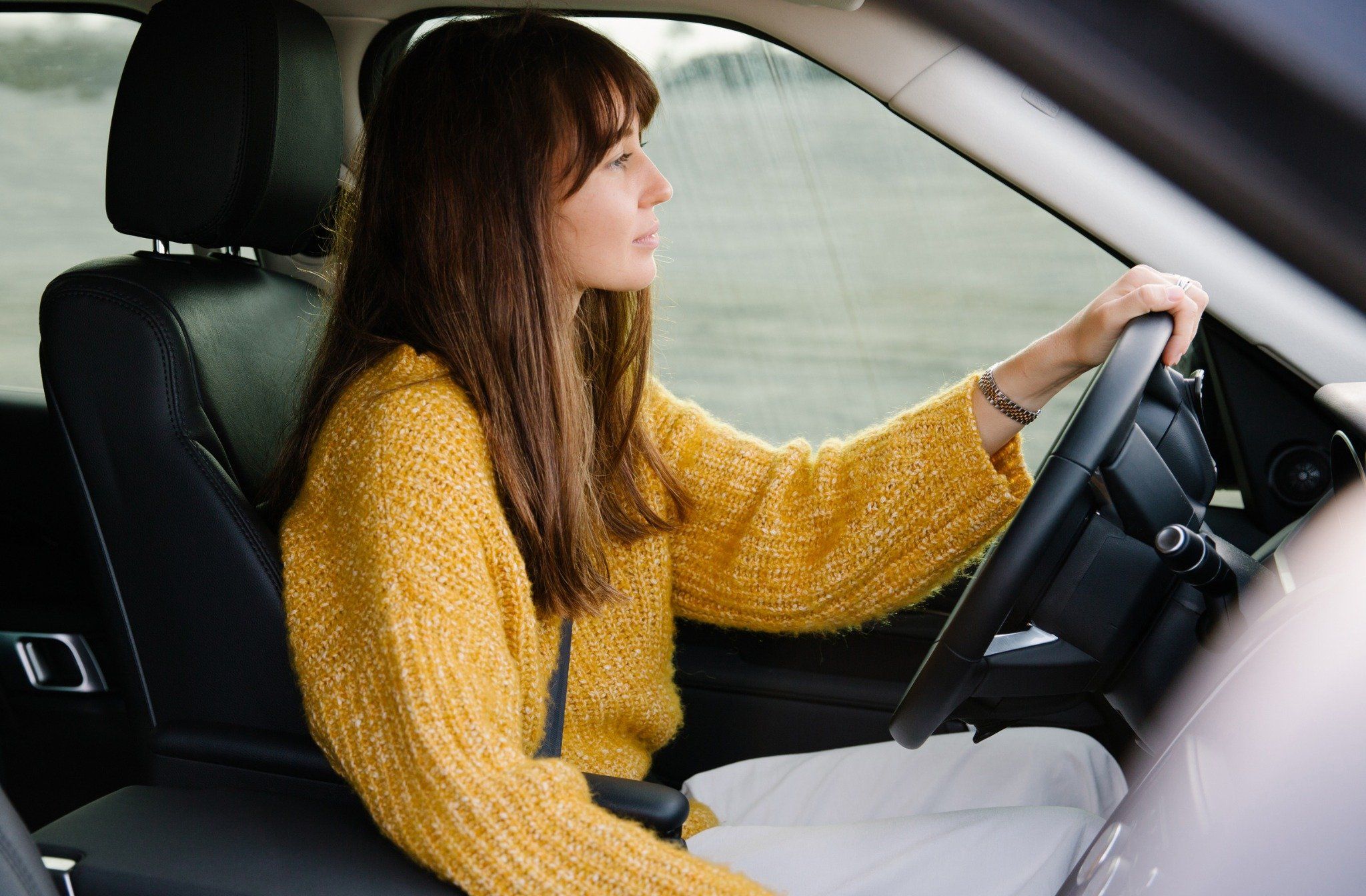
When you’re new to driving in the UK, it’s easy to make mistakes. The road signs can be confusing, the roundabouts are enough to make your head spin.

From the polite to the puzzling – some things UK drivers do don’t seem to make sense. Find out what it all means with these seven unwritten road rules explained.