 Car insurance
 Telematics
 Van insurance
 Home insurance
 Car finance
living in the uk
15 confusing British phrases that need translating
Moving to the UK? Get ready to speak a whole new language – British. No, not ‘English’ – you’ve got that down already.





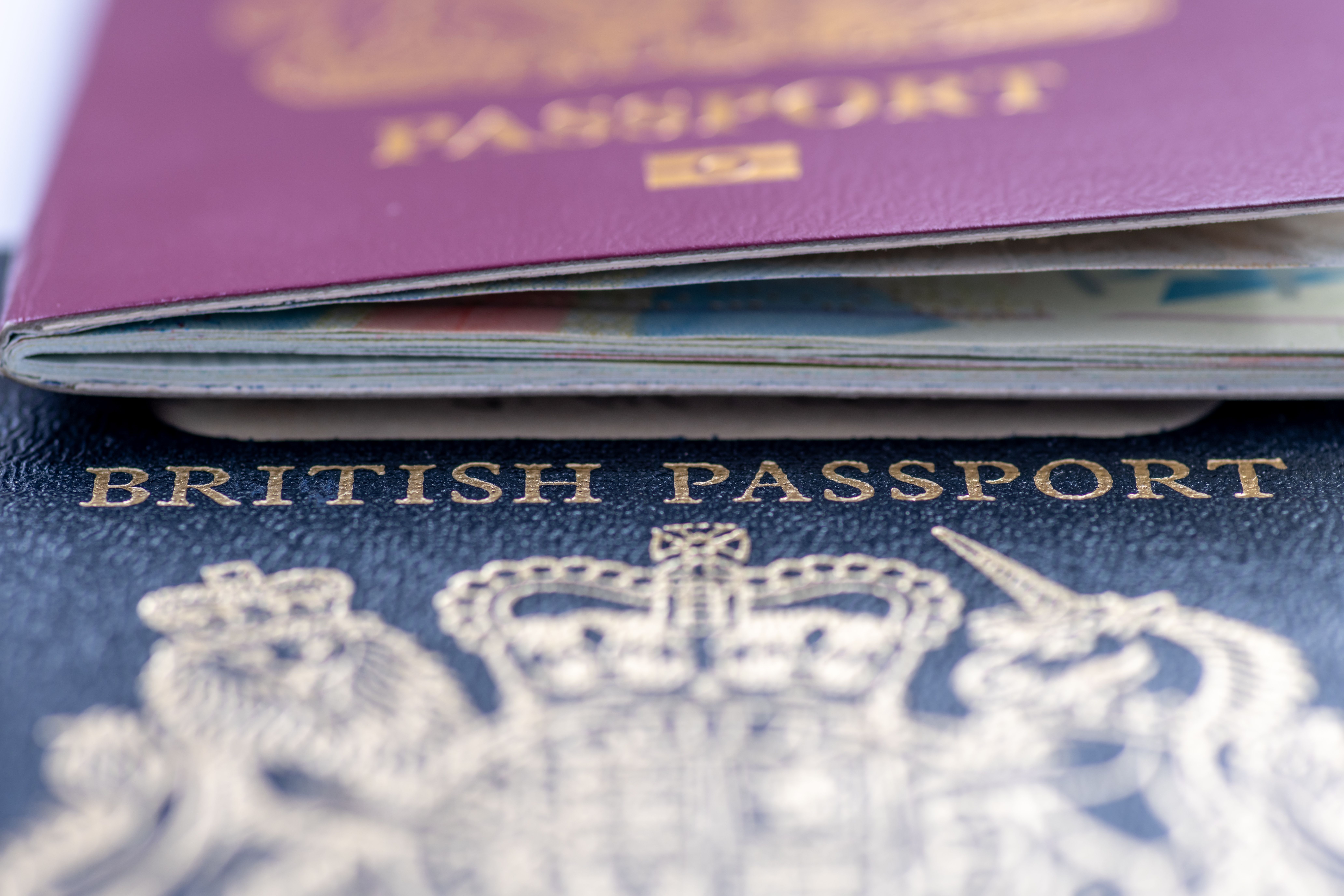

Becoming a UK citizen is a life-changing decision. For most people, it comes after several years of living in the UK and moving through different immigration stages.
The UK citizenship process can be difficult to understand at first. There are visas, residency statuses, and citizenship tests to navigate, and it is not always clear how one step leads to the next. This guide explains what UK citizenship means, the usual route people follow, and what you normally need to have in place before you apply.
Becoming a UK citizen gives you the permanent legal right to live in the UK. You can work without immigration limits and, in most cases, vote in UK elections.
Citizenship is different from having permission to stay for a limited time. Many people first live in the UK on a visa linked to work, study, or family. Citizenship comes later, once you have the right to stay permanently.
There is no single route that applies to everyone, but most people follow a similar path to UK citizenship.
For many applicants, the journey looks like this:
The visa you start on and the time spent at each stage will depend on your individual situation. What matters is reaching permanent residency before you apply for citizenship.
Yes. In most cases, you must have permanent residency before you can apply for UK citizenship.
Permanent residency usually means one of the following:
Most people must hold permanent residency for a set period before applying for citizenship. In many cases, this is 12 months. The rules can be different if you are married to a British citizen.
You can read more about this in our guide to Settled Status and Indefinite Leave to Remain.
The Life in the UK test is required for many people applying for permanent residency or UK citizenship.
The test checks your knowledge of:
It is taken in English and uses multiple-choice questions. You must book the test in advance and attend an approved test centre.
This is sometimes called the ‘British citizenship test’. In most cases, this refers to the same exam. There is usually no separate test just for citizenship.
If you have already passed the Life in the UK test as part of a permanent residency application, you normally will not need to take it again when applying for citizenship.
The total time depends on where you are in your immigration journey.
Reaching permanent residency in the UK often takes several years because it usually requires a long period of lawful residence in the UK.
Once you submit a citizenship application, a decision is often made within a few months, although processing times can change.
Applying only when you meet all the requirements and have your documents ready can help reduce delays.
When applying for UK citizenship, you need to show your identity, your immigration status, and your residence history.
You usually need to provide:
The exact documents depend on your personal situation, so it is important to check the current requirements before applying.
If your application is approved, you will be invited to attend a citizenship ceremony. After the ceremony, you officially become a British citizen.
Many people then apply for a British passport. This is a separate process and is often the next practical step, especially if you plan to travel.
Citizenship is not only about meeting formal requirements. Timing and personal circumstances also matter.
Before applying, it can help to think about:
Some countries do not allow dual citizenship or have additional rules. Checking this early can help you avoid unexpected issues.
For many people, citizenship brings long-term stability. You no longer need to renew visas, and your right to stay is no longer linked to work, study, or family routes.
Daily life often stays the same, especially if you have already lived in the UK for several years. Citizenship mainly removes uncertainty about your future in the country.
Moving to the UK? Get ready to speak a whole new language – British. No, not ‘English’ – you’ve got that down already.

Like every country in the world, the UK has its fair share of fraudsters. Often these scams prey on common fears, exploiting people when they’re feeling unsure and anxious.

Steer clear of these common new renter mistakes and find your perfect first house or flat in the UK. Spot scams, stay safe and welcome to your new home!