 Car insurance
 Telematics
 Van insurance
 Home insurance
 Car finance
living in the uk
15 confusing British phrases that need translating
Moving to the UK? Get ready to speak a whole new language – British. No, not ‘English’ – you’ve got that down already.





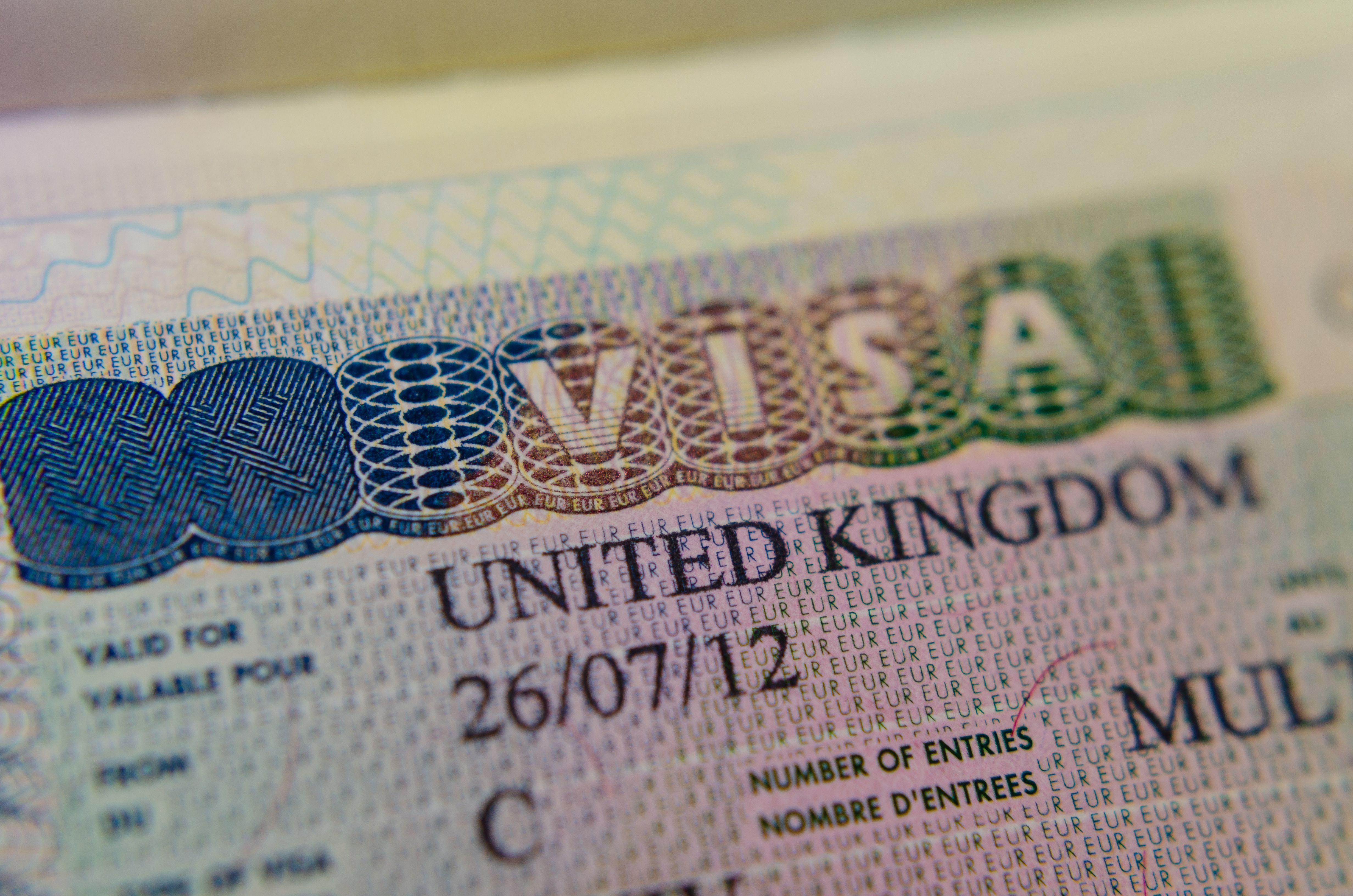

If you plan to live in the UK long term, you will likely come across two terms quite early on: Settled Status and Indefinite Leave to Remain.
They both relate to permanent residency, but they apply to different people and follow different systems.
This guide explains what Settled Status and Indefinite Leave to Remain mean in practice, how they differ, who each one is for, and how they fit into the wider process of settling in the UK.
Settled Status is a form of permanent residency in the UK under the EU Settlement Scheme. It is available to eligible EU, EEA and Swiss citizens, as well as some family members.
If you have Settled Status, you can:
Most people qualify after living in the UK continuously for five years. In some cases, people are first granted Pre-Settled Status, then move to Settled Status once they reach the five-year point.
Indefinite Leave to Remain (ILR) is another way to gain permanent residency. It mainly applies to people who came to the UK on non-EU visas, such as work visas, family visas, or other long-term routes.
ILR allows you to:
Unlike Settled Status, ILR is never automatic. Many people choose to apply for ILR once they meet the rules for their visa route.
These rules usually depend on how long you have lived in the UK and whether you meet any income, work, or language requirements.
Settled Status and ILR lead to a similar outcome, but they come from different immigration systems.
The main differences are:
Both statuses mark the point where you no longer need to renew a visa. This is sometimes described as having the right to remain, meaning you can stay in the UK without a time limit.
You can apply for ILR once you meet the conditions for your specific visa route.
An ILR application usually involves:
The exact details depend on your visa type. Because of this, it is important to check the guidance that applies to your situation before you apply.
In most cases, you must hold permanent status before applying for UK citizenship. This usually means having either Settled Status or Indefinite Leave to Remain.
Many people also need to hold this status for a period of time before applying, often 12 months. The timing rules can change depending on your circumstances, such as whether you are married to a British citizen.
If citizenship is part of your long-term plan, understanding this stage early can make the process feel more manageable.
Reaching permanent status is an important step, but it comes with new responsibilities.
It can help to consider:
For families, status questions can extend to children too. If a child is born in the UK, you may need to apply for a visa for them separately, depending on your own status.
Moving to the UK? Get ready to speak a whole new language – British. No, not ‘English’ – you’ve got that down already.

Like every country in the world, the UK has its fair share of fraudsters. Often these scams prey on common fears, exploiting people when they’re feeling unsure and anxious.

Steer clear of these common new renter mistakes and find your perfect first house or flat in the UK. Spot scams, stay safe and welcome to your new home!