 Car insurance
 Telematics
 Van insurance
 Home insurance
 Car finance
home insurance guides
When do you need home insurance in the UK?
Find out when you need home insurance in the UK, whether it’s required by law, and what renters and homeowners need to know.





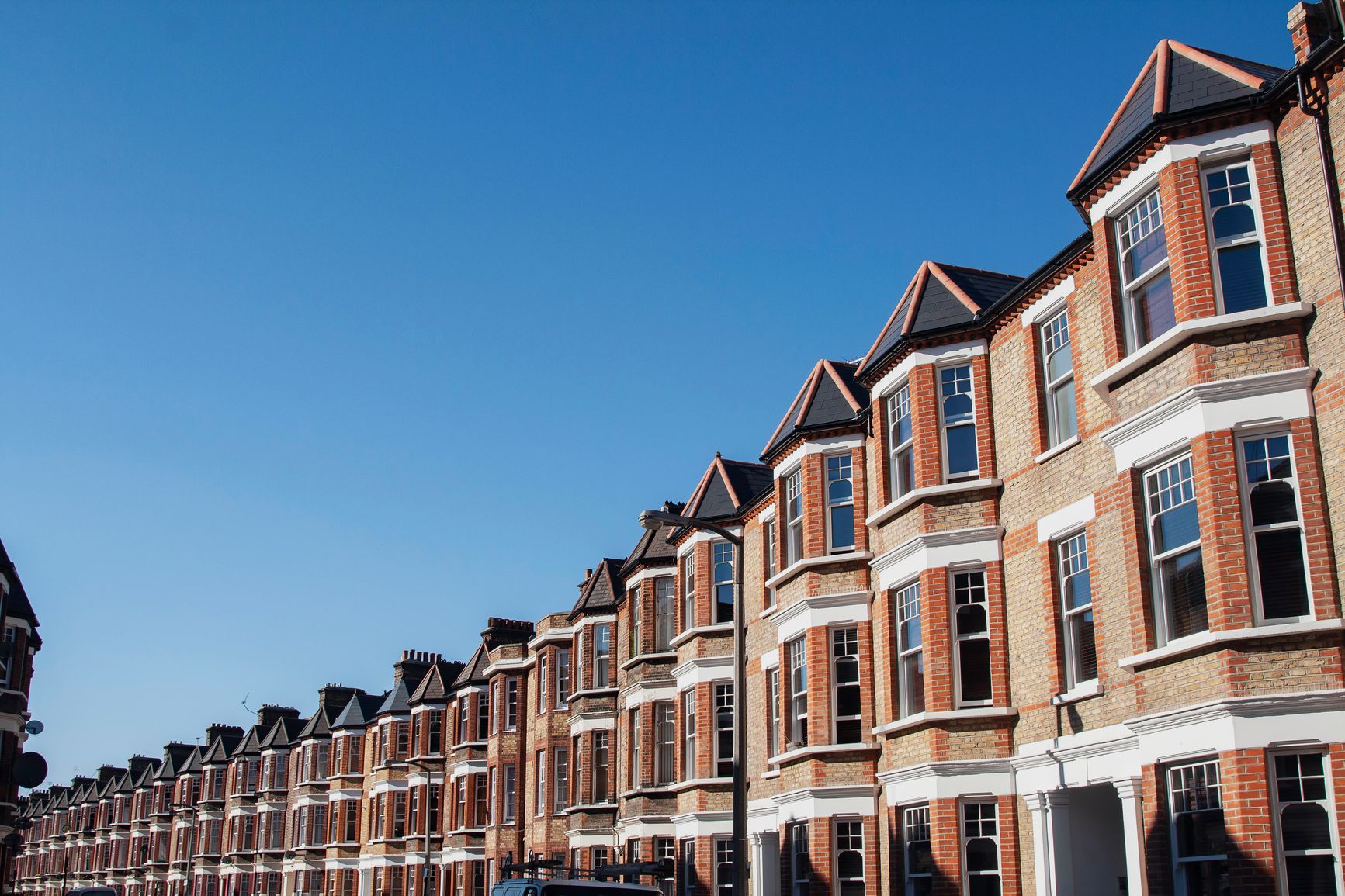

If you’re renting or buying a home in the UK, you might have questions on building insurance. Is it different from home insurance? What happens if there's an accident? Will it cover my valuables?
In this guide, we’ll explain what building insurance is, how it works, how much it costs, and when you might actually need it.
If you are getting set up in the UK, you can also explore Marshmallow’s building and contents insurance to see what options are available.
Building insurance covers the physical structure of your home. That includes the parts you cannot easily take with you if you move out, such as:
If something damages the structure, building insurance helps cover the cost of repairs or rebuilding.
For example, it can protect you if your home is damaged by:
It focuses on the building itself, not the belongings inside. That is where contents insurance comes in..
Buildings insurance is a particular type of home insurance. Home insurance is used as a more general term, and can include policy types such as:
If you rent, you will normally only need contents insurance. The landlord is responsible for insuring the building itself.
If you own the property, you’ll likely want building insurance too. And if you have a mortgage, your lender will often require it.
The cost of building insurance can vary depending on the property and where it is located. The price is influenced by:
The rebuild cost is especially important. This is not the same as the market value of your home. It is the amount it would cost to rebuild it from scratch.
If you have recently moved to the UK, you may find prices vary more than expected. Some insurers rely heavily on UK-based history, which not everyone has yet.
It can help to compare options carefully and look for providers that understand people who are new to the system.
Your need for building insurance usually depends on your situation:
An empty property can be treated differently by insurers. If a home is left unoccupied for a long period, the risk of damage can increase. For example, a leak might go unnoticed, or there may be a higher risk of break-ins.
Because of this, standard building insurance policies often have limits. Some may only cover an empty property for a set number of days, such as 30 or 60 days.
If your property will be empty for longer, you may need a specific type of cover or to inform your insurer. It is important to check this carefully. If the insurer is not aware, it could affect a future claim.
Most building insurance policies cover common risks, although the details can vary.
Typically, they includes:
Some policies may also cover things like accidental damage to fixtures, but this is typically an optional extra.
What is not covered can be just as important. General wear and tear or poor maintenance are usually excluded.
Building insurance protects the structure of your home, not the items inside it. Here are the key points to remember:
If you moving house, you can explore Marshmallow’s building and contents insurance or get a quote to see what works for you.
Find out when you need home insurance in the UK, whether it’s required by law, and what renters and homeowners need to know.
Learn the difference between buildings and contents insurance, what each covers, and how to choose the right cover for your home in the UK.

Learn how to calculate your rebuild cost for home insurance and estimate the value of your contents.