 Car insurance
 Telematics
 Van insurance
 Home insurance
 Car finance
home insurance guides
When do you need home insurance in the UK?
Find out when you need home insurance in the UK, whether it’s required by law, and what renters and homeowners need to know.





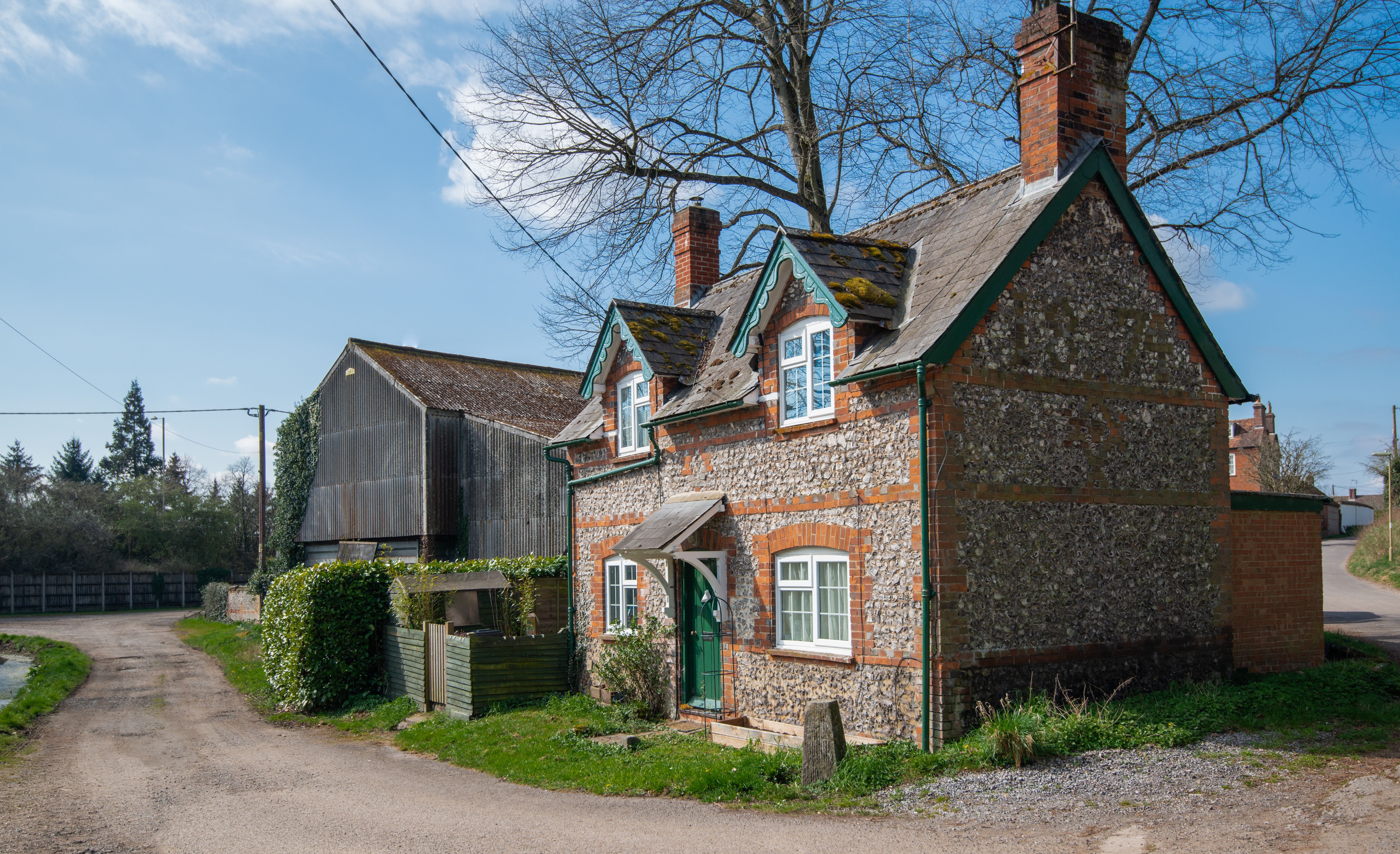

The age of your house can impact the cost of your home insurance. Older homes typically cost more to insure than modern properties. This is because older houses are more likely to be built with older materials, outdated wiring or plumbing, and features that can be harder to repair or replace.
This guide explains why the age of a property can affect home insurance, the risks insurers consider with older homes, and how to find out when your house was built.
Modern homes are built to current building regulations and safety standards, making them generally cheaper to insure than older properties.
Older homes are more likely to experience damage or require repairs because of older materials and construction methods, such as:
Period properties are older houses that typically predate 1914. Their building style is often defined by their era, for example, Georgian, Victorian, or Edwardian.
They often have unique features that make repairs more complicated, such as:
While these features can add character, they may also increase repair costs. Materials can be harder to source, and repairs may require specialist skills.
Some older properties in the UK are listed buildings, meaning they are protected because of their historical or architectural importance.
Listed properties often have strict rules about how they can be repaired or altered. This can make restoration work more complex and expensive.
Because of this, some listed or historic properties may need specialist home insurance to reflect the cost of repairs and the materials required.
The age of a house is only one factor insurers consider when calculating the cost of home insurance.
Other factors include:
These factors help insurers assess how likely a home insurance claim may be.
There are several ways to find out when the property was built, such as:
In some cases, estate agent listings or previous surveys may include information about the age of your property.
Knowing when your house was built can help insurers understand the construction methods used and help you choose the right level of home insurance.
This information may affect:
Providing accurate information about the property helps ensure your home insurance policy reflects the true risk of the building.
Older homes can cost more to insure than modern properties because older construction methods and materials can increase the risk of claims.
Understanding when your house was built can help you choose the right level of cover and ensure your home insurance cover accurately reflects your property.
Learn more about Marshmallow home insurance, or get a quick quote online in minutes.
Find out when you need home insurance in the UK, whether it’s required by law, and what renters and homeowners need to know.
Learn the difference between buildings and contents insurance, what each covers, and how to choose the right cover for your home in the UK.
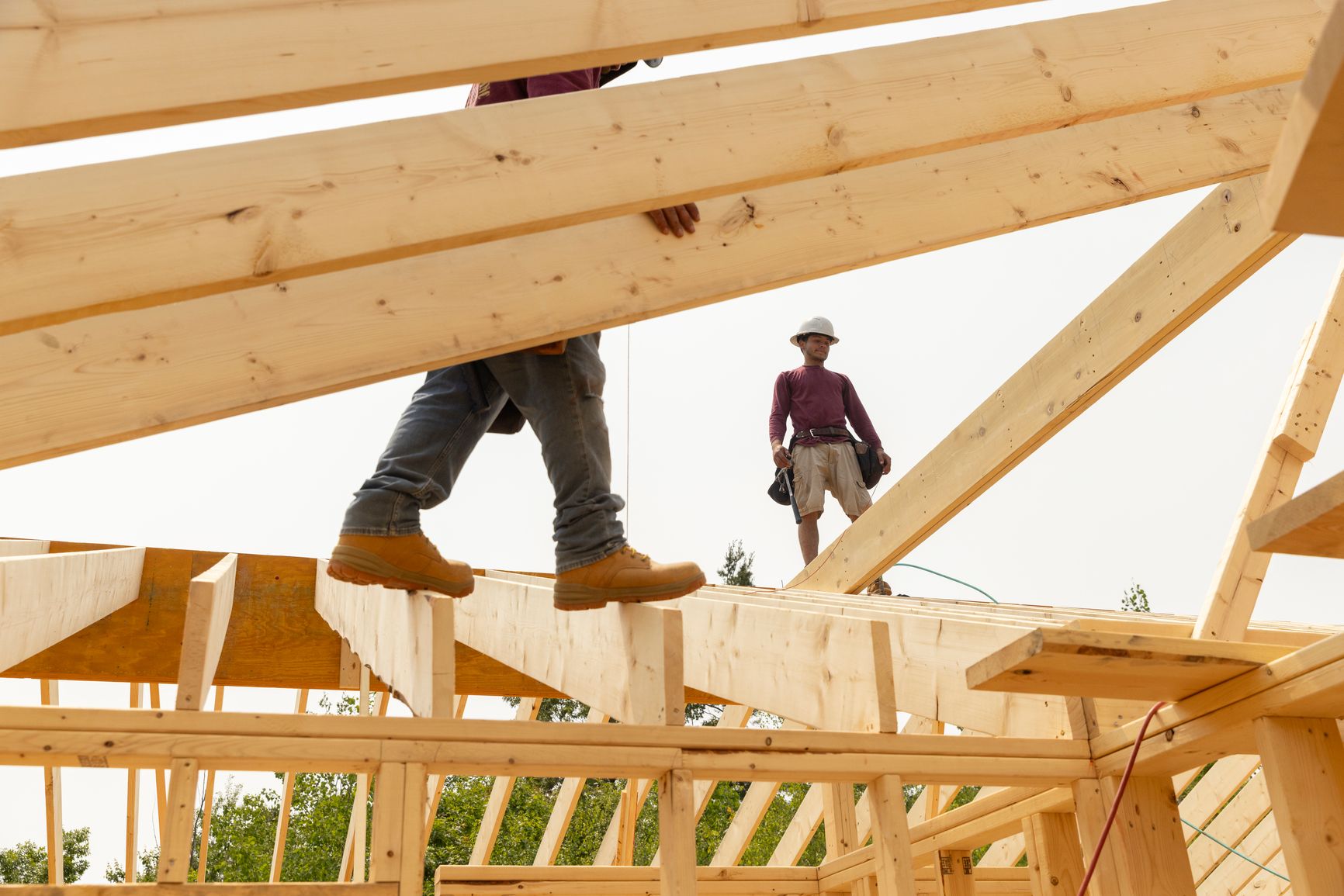
Learn how to calculate your rebuild cost for home insurance and estimate the value of your contents.