 Car insurance
 Telematics
 Van insurance
 Home insurance
 Car finance
home insurance guides
When do you need home insurance in the UK?
Find out when you need home insurance in the UK, whether it’s required by law, and what renters and homeowners need to know.





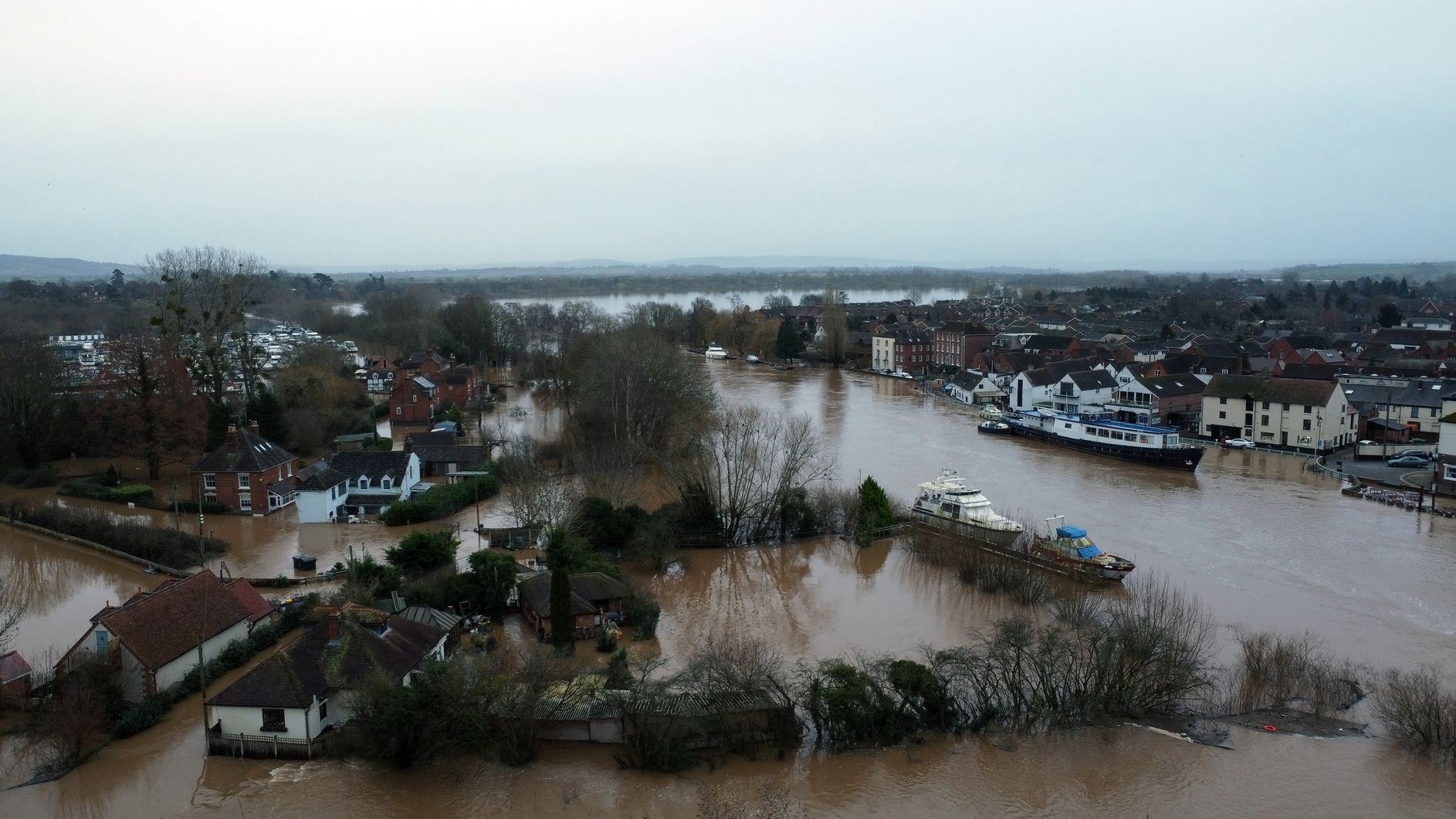

Flooding is becoming more common across the UK. Heavy rainfall, storms and rising water levels mean more homes are now at risk than ever before. Many people are now searching for a flood insurance quote to understand what protection might cost.
If you’ve recently moved to the UK, flood insurance might not be something you’ve had to think about before, especially as insurance systems work differently in every country.
This guide explains:
If you’re looking to protect your home or belongings, explore how Marshmallow’s home insurance can help.
In the UK, flood damage is usually included in your building insurance. Building insurance protects the structure of your home, including:
If flooding damages these parts of your property, your insurer will normally help cover repair costs.
People in different parts of the world have different expectations when you mention flooding. In the UK, for insurance purposes, flooding generally means water entering your home from outside, such as:
Home insurance is designed to support you during unexpected flooding events. It is not for gradual water damage.
Most home insurance policies do not cover:
For example, if water damage happens because a roof hasn’t been repaired for years, it may not be treated as a flood claim. Always check your policy wording so you understand exactly what’s included.
Some homes in the UK are built close to rivers, coastlines or low-lying land. These are often referred to as flood plains. These properties may:
You can check the flood risk in your area using the Government’s flood risk site. If you find your property is at risk of flooding, the government-supported scheme called Flood Re could help.
Flood Re is a partnership between the UK government and insurers. Its goal is to make flood insurance affordable for homes at high risk of flooding.
Instead of refusing cover or charging extremely high prices, insurers can place eligible properties into Flood Re. The scheme helps manage the flood risk cost behind the scenes.
Flood Re can apply if:
Not every property qualifies, but the scheme has helped many homeowners in flood plains access affordable home insurance. Find a full list of eligibility criteria here.
Across the UK, insurers are seeing heavier rainfall, more frequent storms and increased flooding events. Higher numbers of claims mean repair costs rise, and this can affect insurance premiums over time.
Major insurers have reported that changing weather patterns are already increasing claim payouts. As flooding becomes more common, insurers must plan for greater risk, which can influence pricing across the market.
This doesn’t mean insurance will become unavailable, but it may mean you have to pay more.
You can’t control the weather, but small steps can reduce damage and stress if flooding happens. If extreme weather is predicted, or your house is on a flood plain and the water level is rising, use our checklist to help prepare your home:
Yes. Even if you don’t own the building you should consider flood insurance for your belongings. Your landlord is responsible for buildings insurance, but your belongings are not covered unless you have contents insurance.
Contents insurance can help protect items such as:
If you’re moving home, it’s worth checking flood risk early. You can:
Knowing the risk helps you choose the right level of cover from the start.
Flooding is becoming a bigger concern in the UK as extreme weather becomes more frequent. The good news is that most buildings insurance policies include flood protection, and schemes like Flood Re help keep cover accessible for higher-risk homes.
Getting the right protection doesn’t need to be complicated. You can learn more or get started with flexible cover through Marshmallow home insurance.
Find out when you need home insurance in the UK, whether it’s required by law, and what renters and homeowners need to know.
Learn the difference between buildings and contents insurance, what each covers, and how to choose the right cover for your home in the UK.

Learn how to calculate your rebuild cost for home insurance and estimate the value of your contents.