 Car insurance
 Telematics
 Van insurance
 Home insurance
 Car finance



living in the uk
15 confusing British phrases that need translating
Moving to the UK? Get ready to speak a whole new language – British. No, not ‘English’ – you’ve got that down already.
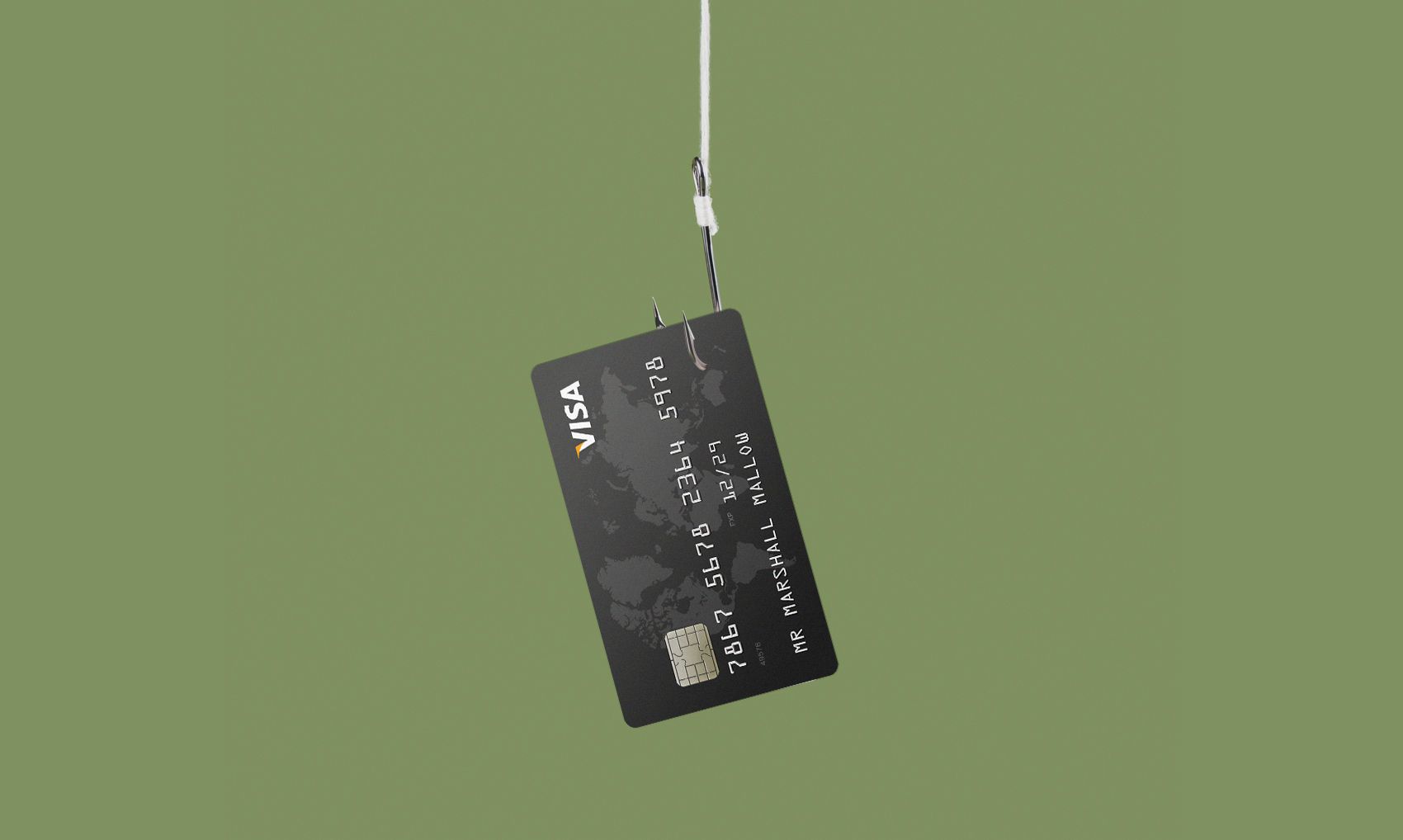

Like every country in the world, the UK has its fair share of fraudsters. They can go after anyone and everyone – in 2024, 42% of adults living in Britain were targeted by at least one scam.
Often these scams prey on common fears, exploiting people when they’re feeling unsure and anxious. If you’ve just moved to the UK, this can leave you particularly vulnerable to some scams.
But if you arm yourself with the right knowledge, it’s easier to spot and avoid scams. Here are four common types of scam you might come across as a UK newcomer.
Searching for affordable rental properties in the UK can be stressful, especially in cities like London where the cost of living is particularly high. To take advantage of this, fraudsters post fake listings online, showcasing desirable properties at low rates. Often this takes place on forums like Facebook Communities or Gumtree where listing is free.
Would-be tenants then get pressured into paying ‘urgent’ up-front deposits and advance rent without seeing the property first. Sadly, it then turns out the property isn’t real – or isn’t theirs – and the scammer disappears with the money.
Students and people searching for properties ahead of a move to the UK are prime targets for this kind of scam.
You may be asked for other payments up-front related to renting. Some of these, like security deposits, are legitimate – though there are legal limits to the amounts that can be asked for. But others, like viewing fees, are illegal. Read our guide to renting for more information about the costs you should be prepared for.
‘Phishing’ is when fraudsters target you with emails, text messages or phone calls to trick you into handing over personal information. They pretend to be real, reputable businesses, or individuals that you know, with the aim of stealing your information, bank details and money.
If you’re new to the UK, you may find yourself targeted by certain phishing scams. These may try to exploit common worries or take advantage of your unfamiliarity with UK systems. Some examples include:
New phishing scams pop up all the time and they can be very convincing. But there are lots of ways to spot them.
Moving to a new country can be a lonely business. So to meet new people and make connections, it’s natural that you may want to join online communities and download dating apps. And you should go for it! But be aware that romance scammers are at work in these places too.
Romance scammers create fake profiles online to manipulate others into thinking they’ve found the perfect romantic partner or friend. Once they’ve gained your trust they’ll ask for money, telling lies and exploiting the emotional hold they have to persuade you into parting with your cash.
Anyone can fall for a romance scam – they can be tricky to spot and hard to get clear of. Being aware of the signs can stop you falling into common traps.
Car insurance scams are big business for scammers. There are a few different types of car insurance fraud you should be on the look-out for – but one of the most common are ghost brokers.
Ghost brokers are people who pose as insurance agents online. They take advantage of people who may be struggling to get affordable cover by claiming that they can find you a cheap policy.
In reality, they take out an insurance policy in your name with a legitimate provider, but with incorrect details to get the cheapest price possible. They then sell the policy on to you at inflated cost.
These policies aren’t valid as they have all the wrong details. So not only will you have lost money, but you’ll also technically be driving without insurance – which can get you in trouble with the police.
If you think you may have lost money or been hacked because you’ve been scammed online in any way, you can report it to Action Fraud UK. This is the UK’s national reporting centre for fraud and cybercrime.
You can also forward suspicious emails to report@phishing.gov.uk where the National Cyber Security Centre (NCSC) will investigate.
To report suspicious texts to your mobile phone provider, forward suspicious text messages to 7726 - it’s free.
You can report any fraudulent adverts online to the Advertising Standards Authority (ASA).
Moving to the UK? Get ready to speak a whole new language – British. No, not ‘English’ – you’ve got that down already.

Steer clear of these common new renter mistakes and find your perfect first house or flat in the UK. Spot scams, stay safe and welcome to your new home!
Moving to a new country is exciting... but it’s also expensive. To help make it easier we’ve partnered with he money management app, Emma, to bring you 7 budgeting for UK newcomers.