 Car insurance
 Telematics
 Van insurance
 Home insurance
 Car finance
car insurance guides
4 car insurance scams to watch out for
Car insurance scams are big business for criminals. From cash for crash to bogus claims, find out what to look for and how to report a scam.





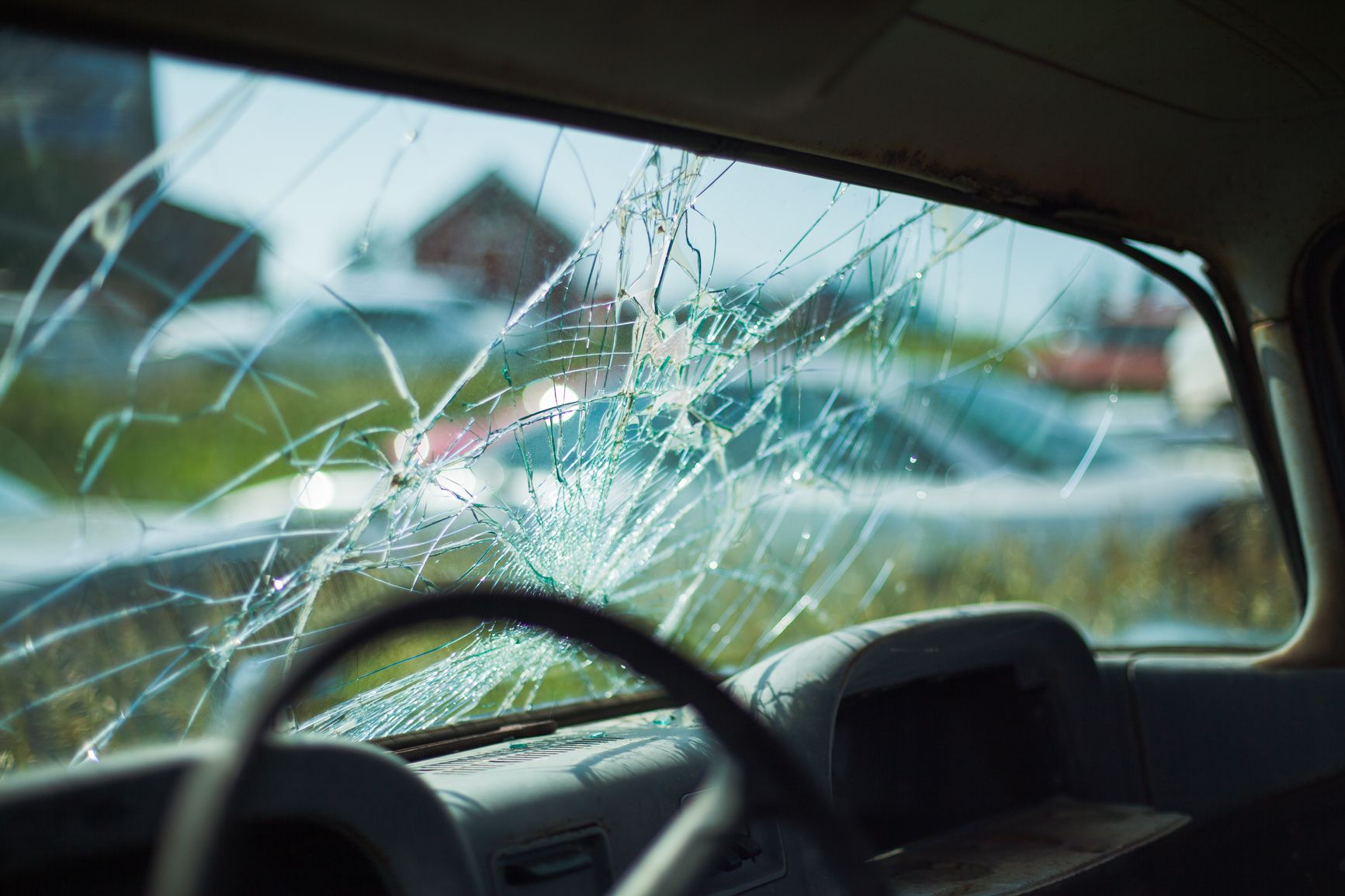

A car accident is stressful, even if you did nothing wrong.
Many drivers are surprised to find that they still need to report an accident, even if someone else caused it. If you are new to the UK, words like ‘fault’, ‘liability’, and ‘non-fault claim’ can be confusing.
This guide explains what a non-fault accident is, how a non-fault claim works, and what it can mean for your cover in the UK.
Need insurance? See what you could save with our affordable car insurance today.
A non-fault accident is an accident where you are not held responsible for what happened. Insurers usually call it ‘non-fault’ when they can recover all the costs from another driver or that driver’s insurer.
Typical examples include:
‘Non-fault’ does not mean ‘nothing happened’. It means your insurer was able to pass the bill to someone else. The accident is still recorded on your insurance history.
For more on what to do after a crash, read our guide to making a car insurance claim.
A non-fault car insurance claim is when:
To look into a non-fault claim, your insurer will usually ask for:
Even when the cost is recovered from the other side, the claim usually stays on your record as part of your accident history.
The exact steps can vary, but most non-fault claims follow a similar pattern:
You may be asked for more information while the claim is being reviewed. Clear, simple answers and any evidence you have can help things move more smoothly.
While your car is being repaired, you may get a courtesy car to keep you on the road. Find out when you'll get a courtesy car with Marshmallow.
Yes, it can. Even a non-fault accident can influence your future car insurance quotes.
Insurers look at your full accident history, not only who was responsible. From their point of view, any accident can slightly change how they view your overall risk.
What happens in practice:
This depends on the insurer, the details of the accident, and your overall risk profile as a driver.
There is no fixed amount that a non-fault claim will add to the cost of your policy. In some cases, it may not change your price at all. In others, it may increase it.
When your quote is calculated, insurers look at things like:
A single non-fault accident might have a small effect. Several incidents in a short period are more likely to change your quote.
In many cases, your No Claims Discount stays safe when:
However, in real life, it can be more complicated. If the other driver’s insurer does not accept fault straight away:
If you have NCD protection, this can help keep your discount after certain claims. It’s still important to read the details to see exactly what is and isn’t protected.
You may still have to pay your excess at the start of the claim, even if the accident was not your fault. Many insurers ask customers to pay the excess when:
If the other driver is found responsible and their insurer pays the full cost, your excess is often refunded. The timing depends on how quickly both insurers agree on who was at fault.
If liability is disputed, or the other insurer refuses to pay, your excess might not be returned. Your insurer may still treat the claim as non-fault if they can recover some or all of the cost another way.
If your car is damaged so badly that it is written off:
After the payout, your insurer works to recover costs from the at-fault driver’s insurer. If the other side accepts full responsibility and pays in full, any excess you paid is normally refunded.
Dealing with a non-fault accident can feel like a lot, especially when you’re still getting used to life in a new country.
Marshmallow is designed to support people who have moved to the UK. We use your international driving experience where we can and explain your cover in clear, simple language.
Get a quote to see how much you could pay for car insurance in minutes.
Car insurance scams are big business for criminals. From cash for crash to bogus claims, find out what to look for and how to report a scam.

Had a car accident? Here are 5 key things to ask the other driver — plus how Marshmallow’s Bump! feature makes swapping details quick and stress-free.
New to UK car insurance? Learn how car insurance works in the UK, the types of car insurance available, and what you need to know before getting cover.