 Car insurance
 Telematics
 Van insurance
 Home insurance
 Car finance



living in the uk
15 confusing British phrases that need translating
Moving to the UK? Get ready to speak a whole new language – British. No, not ‘English’ – you’ve got that down already.
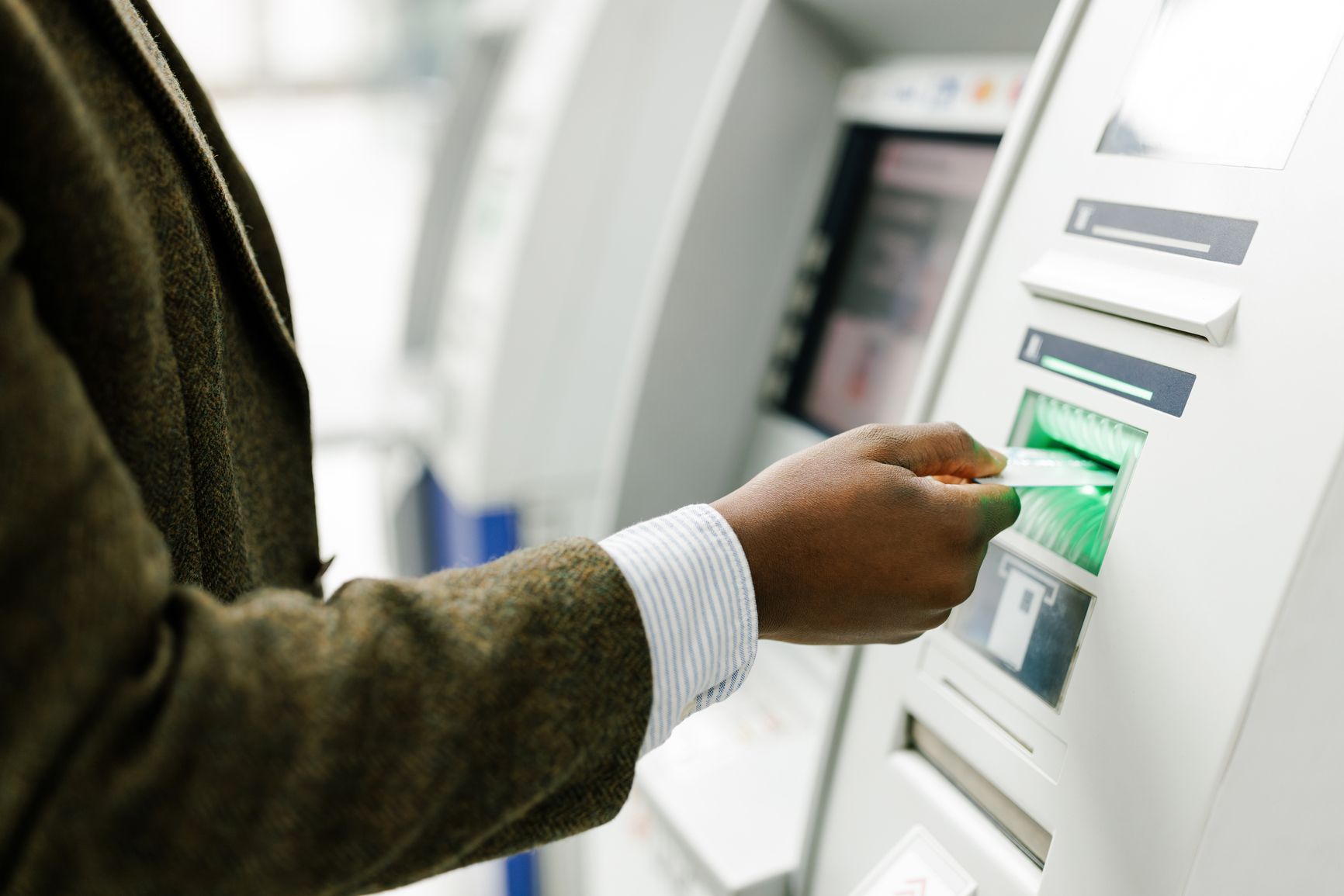

For most people arriving in the UK, a bank account quickly becomes a necessity. Salaries are usually paid into a UK account, rent is often requested by bank transfer, and many services expect Direct Debit details rather than cash in hand.
The difficulty is not that accounts are unavailable, but that the rules are not always obvious at first. Requirements vary between banks, and what worked for one person does not always work for the next.
This guide focuses on the issues that can cause delays and how to get around them. If setting up insurance is also on your list, Marshmallow’s car insurance is designed for people who have relocated to the UK.
In principle, yes. In practice, it depends on how easily the bank can confirm two things:
Identity checks are rarely the issue. You’ll likely have a passport, visa or other documentation that you can use.
Address checks can be more difficult. Some banks want to see a proven address history, or at least a confirmed residence. But if you’re still sorting out your accommodation and moving between places, you might not be able to meet their requirements.
There is no single list that applies to every bank account application, but most providers look for a combination of identity documents and something that links you to a UK address.
Example documents to confirm your identity when opening a bank account:
Example documents to confirm your address when opening a bank account:
Checking requirements before applying for your new bank account saves time, and helps you get organised in advance.
Online bank account applications are common, particularly with banks that operate mainly through an app. These usually involve uploading ID and completing a short verification step. Approval can be quick, but support is mostly digital, which does not suit everyone.
Branch applications are slower to arrange but can be useful when your situation doesn’t fit neatly into an online form. High street banks still open accounts in person, although appointments are not always immediate.
The choice often comes down to what paperwork you already have, rather than preference.
Timelines vary more than people expect. Some online accounts are approved the same day. Others might take several days. Traditional banks often take longer, particularly if documents need to be reviewed manually. Waiting one to two weeks is not unusual.
Missing documents or uploads not done correctly are the most common cause of delays when it comes to opening a bank account.
Once your UK bank account is active, money can be moved in from abroad using international transfers or other payment services.
Bank transfer fees and daily exchange rates matter here. Two transfers of the same amount can result in different balances once converted into pounds. This catches people out, especially early on if they’re not familiar with the system.
Some people move money gradually rather than in one large transfer. Others prefer to move everything across and deal only in pounds. There is no single right approach.
Check with your bank for fees for transferring money from another currency. Some banks in the UK allow you to open specialist foreign currency accounts with Euro accounts very popular. This allows you to easily move Euros into a UK account then quickly convert them. There might still be a conversion fee.
Conversion fees range depending on the type of bank. Specialist banks usually offer conversion fees of less than 1%, while a normal high street bank might charge up to 3%.
Some banks might charge a fee on top of that as well, so do check these costs when setting up a bank in the UK.
With a UK account in place, most everyday payments become much simpler. Rent, bills, and subscriptions are usually easier to manage locally. Budgeting is easier to manage once most spending is in one currency.
Typically you’ll get a debit card that you can use to pay for items on the go. And you can use the online account or app to set up regular payments and track spending. Many online accounts also have special budgeting features to allow you to better see how you’re spending your money, which can be vital when you’re not familiar with costs in a new country.
If income or savings are still held abroad, keeping track of conversions helps avoid surprises.
If you’ve been rejected for a bank account, take a moment to understand why it’s happened. If it's a lack of certain documents, try to get these in order first before applying again elsewhere.
To help avoid rejections, check the eligibility requirements before you apply to see if that provider caters for your situation.
Reapplying with the same bank without changing anything rarely helps.
Setting up a bank account after moving to the UK is an important step to access other services. But it can take a bit of time to get the documents you need to be approved, particularly around proof of your address.
Once the account is up and running, day-to-day money management becomes simpler.
When you’re getting paid and spending in pounds, and regular payments are coming from one place, it’s easier to make a budget.
For people getting set up in the UK, Marshmallow offers car insurance and home insurance for those without a UK credit history. Get a quote today to see what you could save.
Moving to the UK? Get ready to speak a whole new language – British. No, not ‘English’ – you’ve got that down already.
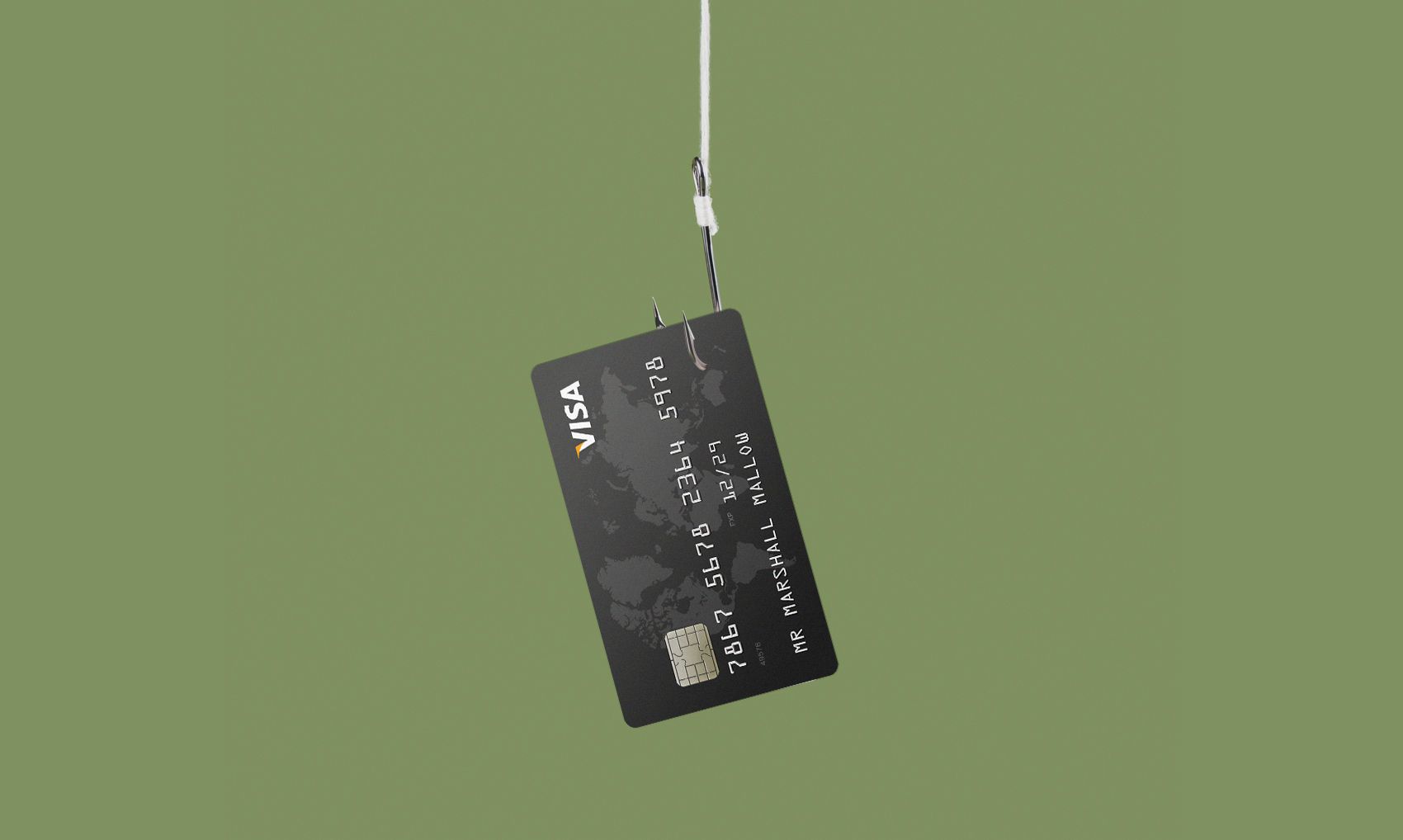
Like every country in the world, the UK has its fair share of fraudsters. Often these scams prey on common fears, exploiting people when they’re feeling unsure and anxious.

Steer clear of these common new renter mistakes and find your perfect first house or flat in the UK. Spot scams, stay safe and welcome to your new home!