 Car insurance
 Telematics
 Van insurance
 Home insurance
 Car finance
car insurance guides
4 car insurance scams to watch out for
Car insurance scams are big business for criminals. From cash for crash to bogus claims, find out what to look for and how to report a scam.





Driving without insurance is illegal in the UK, even if you only travel a short distance or believe you are covered.
The rules can feel strict, especially if the insurance system works differently in your home country. But the penalties are serious, and the police have technology that makes it easy to catch uninsured drivers.
This guide explains what counts as driving without insurance, what happens if you are stopped by police, and how to avoid being accidentally uninsured.
Need insurance? See what you could save with our cheap car insurance.
In the UK, you must have at least third-party insurance to drive on public roads. You are considered uninsured if:
Even if you only move the car a few metres, the law still applies.
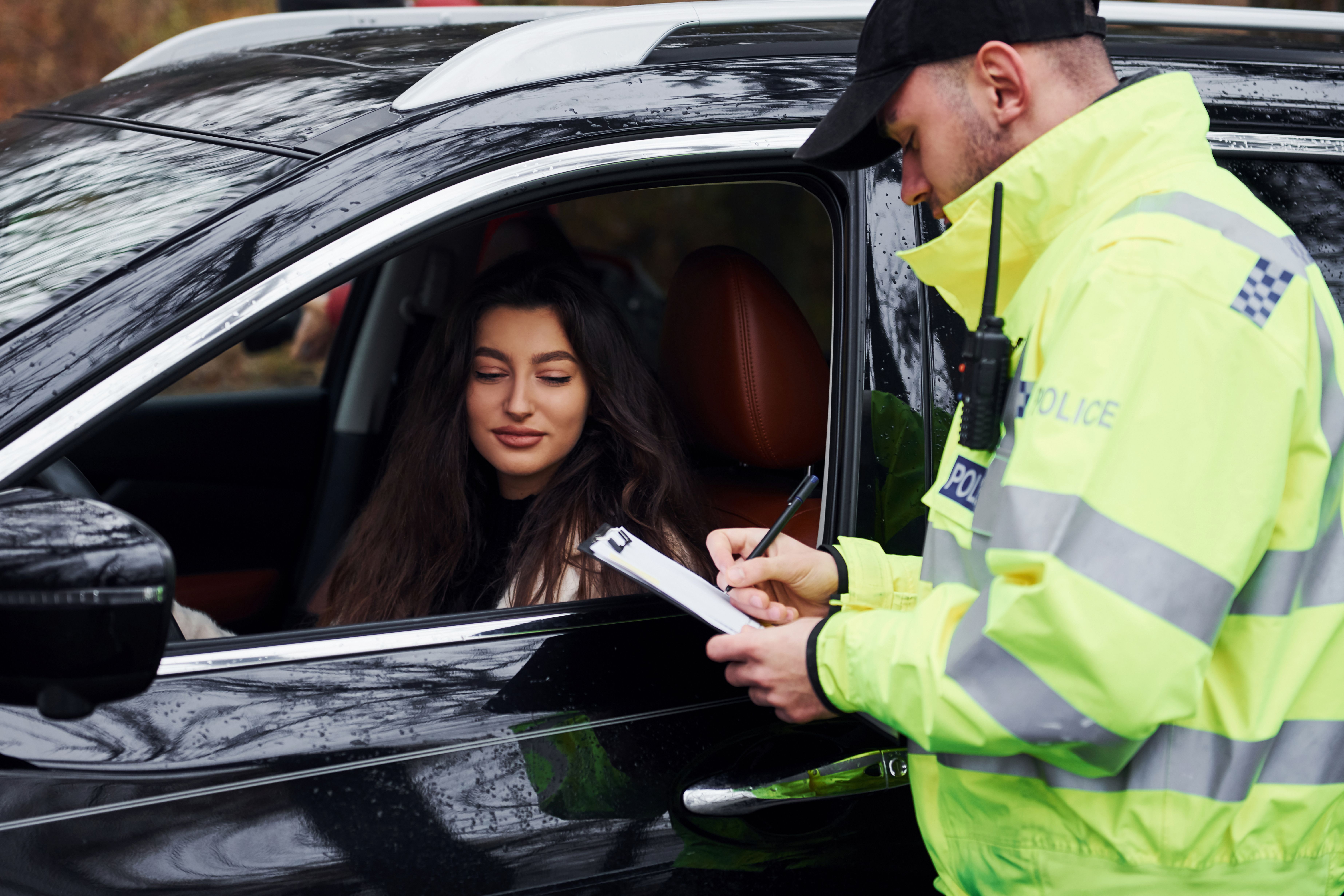
Police use automatic number plate recognition (ANPR) to scan cars and check if they’re insured. If your car appears uninsured, they can stop you on the road.
The maximum fine for driving without insurance in the UK is unlimited, but you’re more likely to face a £300 fixed penalty. If they believe you are driving without insurance, they can:
Your car may also be taken to an impound, and you will have to pay release fees plus provide proof of insurance to get it back.
Yes. If you do not collect your car from the impound within the given timeframe, the police can sell or destroy it. You may also be charged storage fees for each day the car is held.
It depends on the situation. Common misunderstandings include:
Believing you are insured is not a defence. You must always check your policy is active and valid.
If someone else drives your vehicle without the correct insurance, both of you may face penalties. You can be charged for “causing or permitting” uninsured driving, even if you simply handed over the keys. To avoid this:
On a Marshmallow policy, only the main driver and named drivers are insured to drive the car. Get a free quote today.
No. Insurance from another country does not cover you to drive a UK-registered car. You must have a UK-based policy before you drive.
If you have recently moved to the UK, Marshmallow can insure you even if you do not have a long UK driving history.
Read our blog on car insurance for non-UK residents.
If you use your car for business purposes, your policy must include the correct level of business cover. Without it, you could be treated as uninsured if an incident happens while working.
Business use typically includes:
Commuting is usually covered under standard policies, but anything beyond that may require an upgrade.
No. In the UK, the law follows the driver, not the car. You must be insured to drive that specific vehicle. Even if the owner has their own insurance, it does not automatically cover you.
No. Before you pick up a new car, you must have previously organised insurance to start from that day.
If you know of someone driving without insurance, you can report it to the police. Use the 101 number or call Crimestoppers. It helps to be able to give them the vehicle's number plate, make, model, colour, and its location.
A few simple checks can prevent problems:
Driving without insurance is a serious offence in the UK. Even small misunderstandings can lead to fines, penalty points, and your car being seized. The safest option is to make sure your policy is active, your details are accurate, and anyone who uses your vehicle is properly insured.
If you are new to the UK, or unsure whether your current cover meets the rules, Marshmallow can help you get set up quickly with a fully comprehensive policy.
Car insurance scams are big business for criminals. From cash for crash to bogus claims, find out what to look for and how to report a scam.

Had a car accident? Here are 5 key things to ask the other driver — plus how Marshmallow’s Bump! feature makes swapping details quick and stress-free.

New to UK car insurance? Learn how car insurance works in the UK, the types of car insurance available, and what you need to know before getting cover.