 Car insurance
 Telematics
 Van insurance
 Home insurance
 Car finance
home insurance guides
When do you need home insurance in the UK?
Find out when you need home insurance in the UK, whether it’s required by law, and what renters and homeowners need to know.





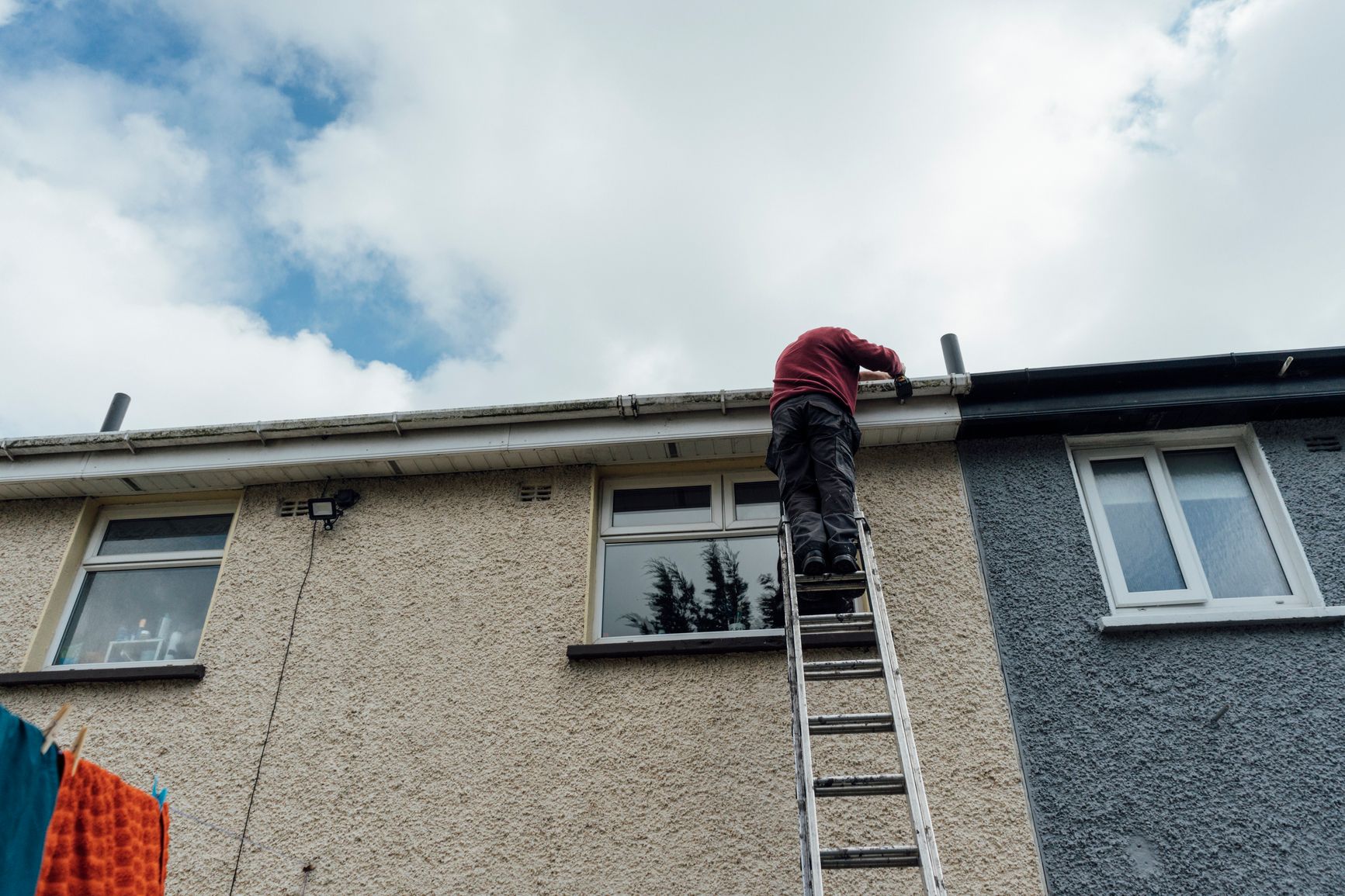

Home insurance protects you when something unexpected happens. But it works best alongside regular home maintenance.
In the UK, insurers expect homeowners and renters to take reasonable care of their property. Small problems left unattended can slowly turn into expensive damage, and in some cases, claims may be rejected if poor upkeep caused the issue.
If you’ve recently moved to the UK, this guide explains what everyday maintenance looks like and how simple habits can help protect both your home and your insurance cover.
Many common insurance claims don’t begin with major disasters. They start with small warning signs: a blocked gutter, a slow leak or heating that hasn’t been serviced for years.
Insurance is designed for sudden events, such as storms or burst pipes. It isn’t intended to cover damage that develops gradually.
For example, rain entering through a roof damaged during a storm is usually insured. But ongoing leaks caused by long-term neglect may not be.
Regular upkeep reduces risk and makes claims easier because it shows you’ve taken reasonable care of your home.
The UK’s weather can be unpredictable; wind, rain and cold temperatures all put pressure on a building’s exterior.
Rather than climbing onto the roof, a simple visual check from ground level a few times a year is often enough. After heavy weather, look for slipped tiles, blocked gutters or water marks on outside walls. You might also find tile shards on the floor if one has fallen.
Gutters deserve particular attention. When they are filled with leaves or debris, rainwater can overflow and seep into walls - one of the most common causes of damp problems in UK homes.
You can usually spot such leaks as dark patches on paintwork or even black mould.
Heating systems work hardest during winter, when damage from breakdowns can be most disruptive.
An annual boiler service helps ensure everything runs safely and efficiently. You might also notice that some radiators feel cold at the top; this usually means trapped air inside the system. Bleeding the radiator releases the air and improves heating performance.
Check the boiler pipes for any sign of corrosion or damp. Inside the home, it’s worth checking under sinks or around appliances. A small drip may seem harmless, but over time it can damage flooring, cabinets or ceilings below.
Drainage problems often develop quietly. You might first notice water draining more slowly than usual or hear unusual gurgling sounds from pipes. Bad smells coming from sinks or showers are another early warning sign.
These issues usually mean debris, grease or waste has started to block the pipe.
Many minor blockages can be resolved at home by removing visible debris, using a plunger or flushing through warm water and cleaning solutions. Acting early can prevent overflowing water or internal flooding later on.
However, if left unresolved, they can lead to overflowing sinks, showers or baths, or blocked pipes bursting under pressure.
UK home insurers don’t expect perfection, but they do expect reasonable care. This generally means fixing problems once you become aware of them and carrying out normal seasonal upkeep.
If damage happens because maintenance was ignored, insurers may question whether the problem was preventable.
Good maintenance isn’t about protecting the insurer; it’s about reducing disruption to your own life.
Instead of large maintenance projects, most households benefit from small routines:
These habits take little time but can prevent some of the most common home insurance claims.
Home insurance and home maintenance work together. Insurance supports you when unexpected events happen, while regular upkeep helps stop problems developing in the first place.
Looking after roofs, heating systems, plumbing and drainage reduces risk, protects your belongings and helps ensure claims run smoothly if you ever need to make one.
If you’re setting up a home in the UK, you can explore straightforward, flexible protection with Marshmallow home insurance.
Find out when you need home insurance in the UK, whether it’s required by law, and what renters and homeowners need to know.
Learn the difference between buildings and contents insurance, what each covers, and how to choose the right cover for your home in the UK.

Learn how to calculate your rebuild cost for home insurance and estimate the value of your contents.