 Car insurance
 Telematics
 Van insurance
 Home insurance
 Car finance
home insurance guides
When do you need home insurance in the UK?
Find out when you need home insurance in the UK, whether it’s required by law, and what renters and homeowners need to know.





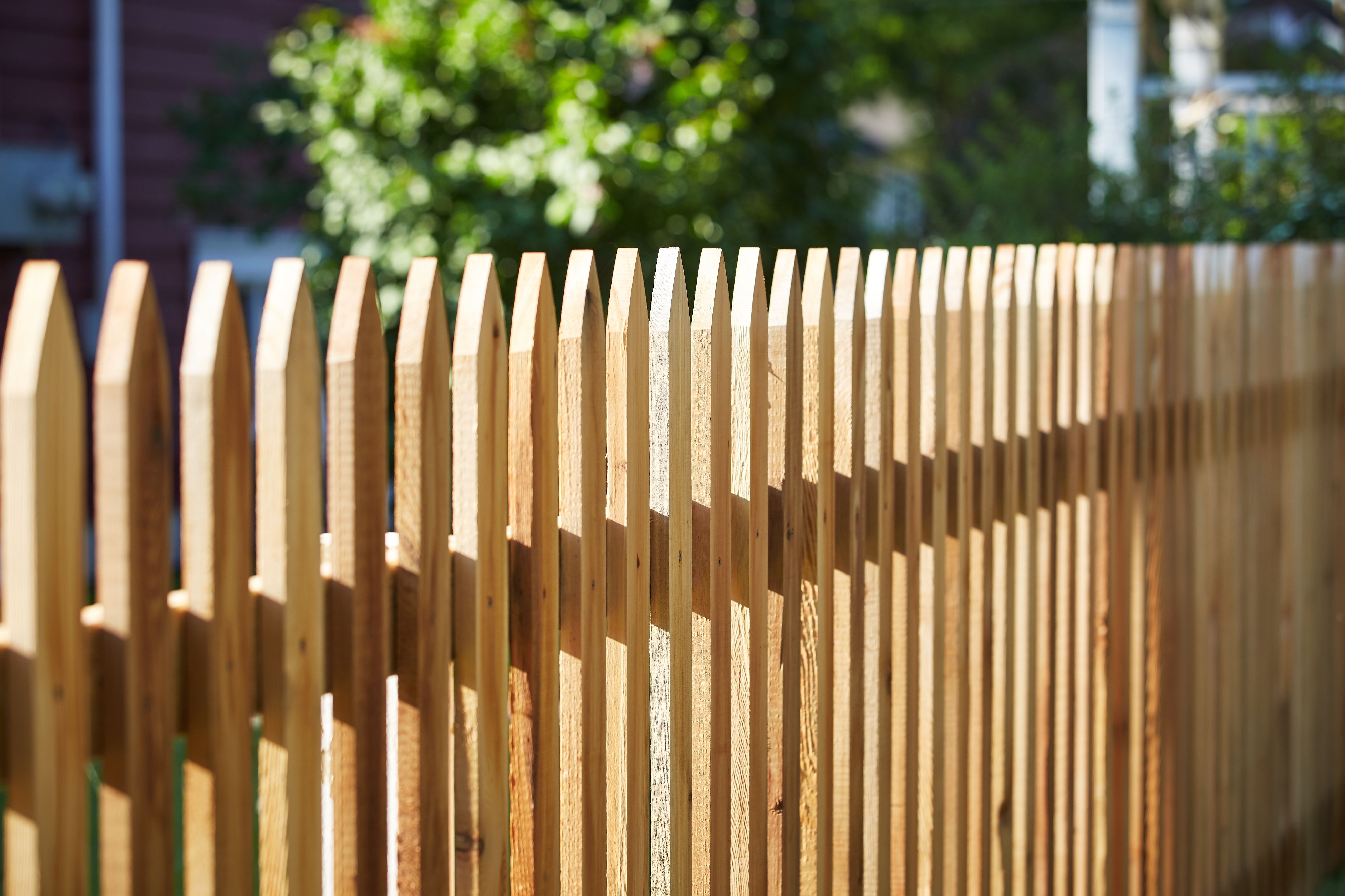

Have you ever stood in your garden and wondered which fence is yours, and which is your neighbours? It’s important to know when it comes to home insurance and making a claim.
This guide explains how to work it out, who is usually responsible for repairs, and what this has to do with home insurance in the UK.
You won’t know which fence is yours just by looking. If you want a clear answer, there are a few practical steps you can take.
Start with your title deeds or property documents. These are usually the best source of information about your boundaries. Some documents include symbols or notes that point to responsibility, although they are not always detailed.
You can also:
It is worth keeping expectations realistic here. Boundary lines are not always shown with complete precision, so they give guidance rather than an exact answer.
If things are still unclear, asking the previous owner, your landlord, or even your neighbour can sometimes give you a quicker answer than expected.
Responsibility usually follows ownership, but it is not always straightforward. In many cases:
There are situations where responsibility and ownership do not line up perfectly, which is why it helps to check first rather than assume.
In terraced and semi-detached homes, fence ownership can vary from one property to the next, even on the same street.
This is why checking your documents still matters, even if the layout seems similar to other homes nearby.
Home insurance can cover fences in some situations, but not always. Buildings insurance may help if damage is caused by something unexpected, such as:
However, it does not usually cover gradual wear or damage that builds up over time.
When a fence is damaged, the first step is working out who is responsible.
If damage is caused by a sudden event like a storm, your home insurance may help with the cost. Smaller issues and general upkeep are usually handled privately.
If you own the fence and its damaged in a storm, you should look to your home insurance policy if it’s covered. If it’s jointly owned (a party fence), speak to both your insurers for the best way forward. It often means that each insurer will pay out part of the cost.
It is not always obvious which fence belongs to you, and there is no single rule that applies to every property. Property documents are the best place to check, or online records if you don’t have them.
With home insurance from Marshmallow, you can get cover for your building and belongings. Get a quote in minutes to see how we can help.
Find out when you need home insurance in the UK, whether it’s required by law, and what renters and homeowners need to know.
Learn the difference between buildings and contents insurance, what each covers, and how to choose the right cover for your home in the UK.

Learn how to calculate your rebuild cost for home insurance and estimate the value of your contents.