 Car insurance
 Telematics
 Van insurance
 Home insurance
 Car finance
home insurance guides
When do you need home insurance in the UK?
Find out when you need home insurance in the UK, whether it’s required by law, and what renters and homeowners need to know.





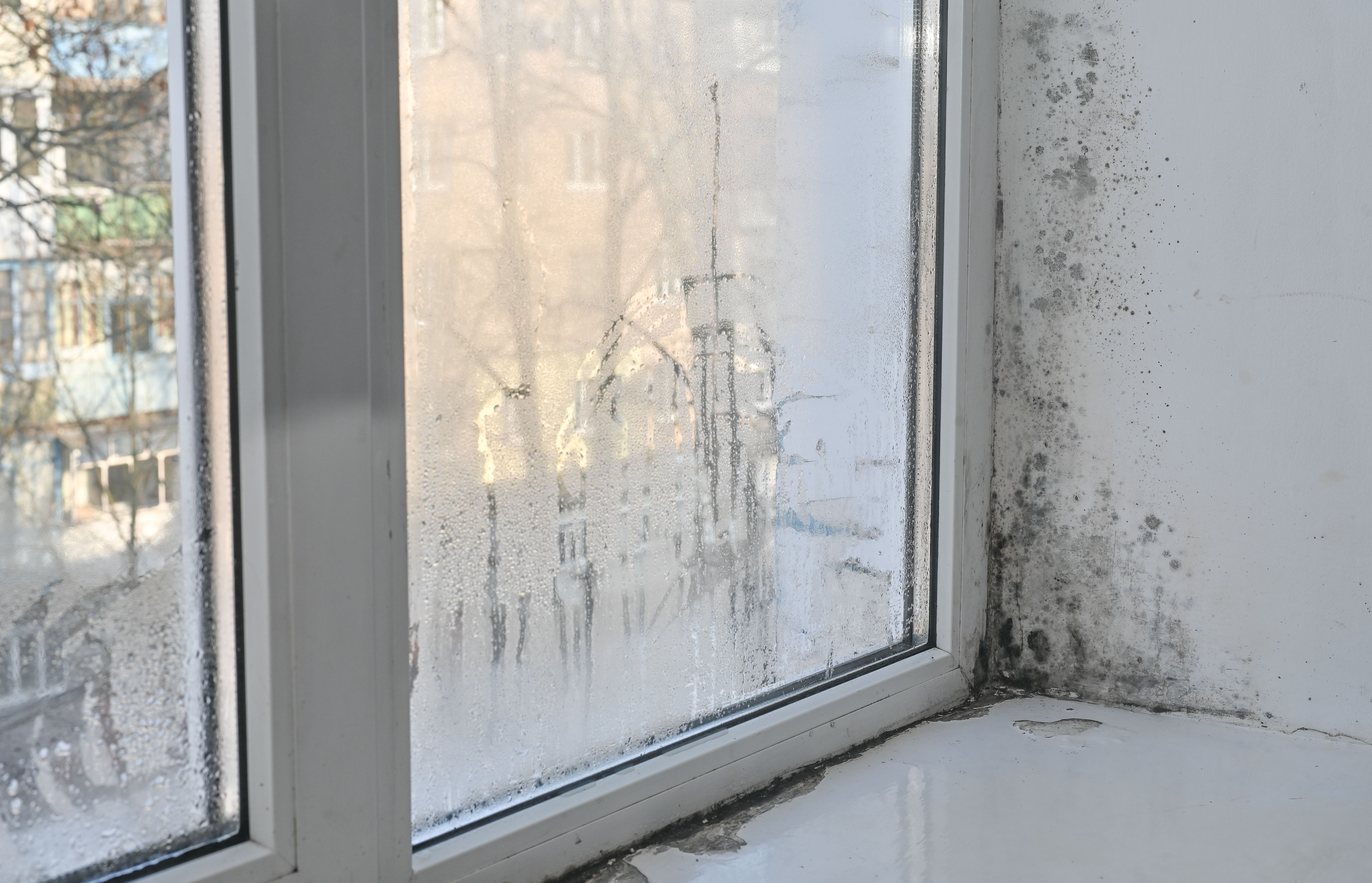

Damp is one of those issues people often notice after they move in or over time. A musty smell, mould near a window, or paint that starts to bubble can all be signs that your home has damp.
In home insurance terms, damp is usually treated as a maintenance problem because it builds up gradually, rather than because of one event.
This guide explains the difference between rising damp and condensation, why they’re usually excluded from home insurance, and what to do if you think the real cause is something sudden, such as a leaking pipe.
If you’re checking your cover options, explore Marshmallow home insurance today.
Many UK home insurance policies exclude damage caused by rising damp or condensation.
Buildings insurance is generally designed for one-off incidents, not long-term damage that develops gradually.
That ‘one-off incident’ point matters. If there isn’t a specific moment something happened, like a burst pipe or broken boiler, insurers often class it as general maintenance.
People sometimes use damp as a catch-all term, but insurers and surveyors usually separate it into different types.
Rising damp is moisture travelling up from the ground into walls. It’s more common in older homes, especially if the damp-proof course is missing or damaged.
Typical signs include:
Condensation is different. It happens when warm, moist air meets a cold surface, such as windows or an external wall. Bathrooms and kitchens are common trouble spots, especially in winter.
Signs often look like:
Because condensation is usually linked to ventilation and heating patterns, it’s normally treated as something you can manage, rather than an insured event.
Not all moisture problems are excluded. Many policies will cover water damage when it comes from a specific, unexpected incident.
Examples can include:
The difference is that these incidents start from a specific event.
If you suspect a leak rather than general damp, it’s worth acting quickly. Take photos, note when you first noticed it, and report it to your insurer.
Even if insurance doesn’t cover it, damp isn’t a problem to ignore. It can spread and cause more serious damage.
Untreated damp can lead to wet rot or dry rot, which can affect timber and structural parts of the home. At that stage, repairs can become much more expensive and disruptive.
A sensible first step is to work out the likely source. It’s not always obvious, so you may need a professional opinion, but you can start with a few checks.
If you think the damage is linked to a specific incident, such as a sudden escape of water, record evidence early and contact your insurer.
Damp is common in UK homes, but it’s usually not something home insurance pays for. Rising damp and condensation are often excluded because they build up over time and are generally treated as maintenance issues.
Water damage can still be covered when it comes from a clear, one-off event, such as a burst pipe or storm damage. The key is whether there’s a specific incident that caused the problem.
Learn more about Marshmallow home insurance or get a quick quote online in minutes.
Find out when you need home insurance in the UK, whether it’s required by law, and what renters and homeowners need to know.
Learn the difference between buildings and contents insurance, what each covers, and how to choose the right cover for your home in the UK.

Learn how to calculate your rebuild cost for home insurance and estimate the value of your contents.