 Car insurance
 Telematics
 Van insurance
 Home insurance
 Car finance



car insurance guides
How to check your MOT status for car insurance
Learn how to check your car insurance and MOT status in the UK, and why this matters before you get on the road.

Many people are unsure whether they can tax their car before arranging car insurance. Or whether both steps can be completed at the same time.
In practice, the rules are tighter than they first appear.
This guide covers whether you can tax a car without insurance, how the DVLA checks this, and what your options are if you're still sorting out cover.
Key takeaways
In most cases, no, you can't tax a car without insurance in the UK.
When you apply for vehicle tax, the DVLA usually checks your insurance status electronically through the Motor Insurance Database (MID). If the car isn't showing as insured, the tax application will normally be rejected.
This applies whether you try to tax it online, by phone, or through a Post Office that offers vehicle tax services.
A practical point that catches people out is timing. Insurance details do not always appear on the MID instantly, especially if a policy has only just started.
Even if that happens, it does not create an exception to the rule. The expectation is that the vehicle is insured when you tax it, and that the cover stays in place.
UK rules link vehicle tax, insurance, and MOT status. The aim is straightforward: cars kept on public roads should meet the basic legal requirements to be there.
Before a vehicle can be taxed, it usually needs:
Because these checks are connected, generally you cannot tax an uninsured vehicle.
There is no standard grace period during which a vehicle can be taxed but uninsured.
People usually ask this question because they're still waiting for insurance to begin, finding it hard to get a quote, or haven't chosen an insurer yet.
The important thing to know is that you normally need insurance in place to tax the car in the first place, and if the car later becomes uninsured while it's still taxed, you can still be fined or face other action.
Depending on the situation, this can include:
If your car isn't going to be driven or parked on public roads, you may be able to declare a SORN (Statutory Off-Road Notification).
A SORN can help if you're still sorting paperwork, waiting on insurance, or storing the car temporarily. If the car is declared SORN:
If the car is parked on the street, SORN cannot be used, and the usual rules around tax and insurance still apply.
At Marshmallow it's easy to get insured quickly so you're a step closer to getting on the road.
See what you could save with a cheap car insurance quote today.
In the UK, you'll usually need insurance to tax a car. If you're buying a used car, you'll need to:
If you're buying a new car, the dealership will guide you on what's required. But remember, you'll need insurance in place before you can drive home.
Learn how to check your car insurance and MOT status in the UK, and why this matters before you get on the road.
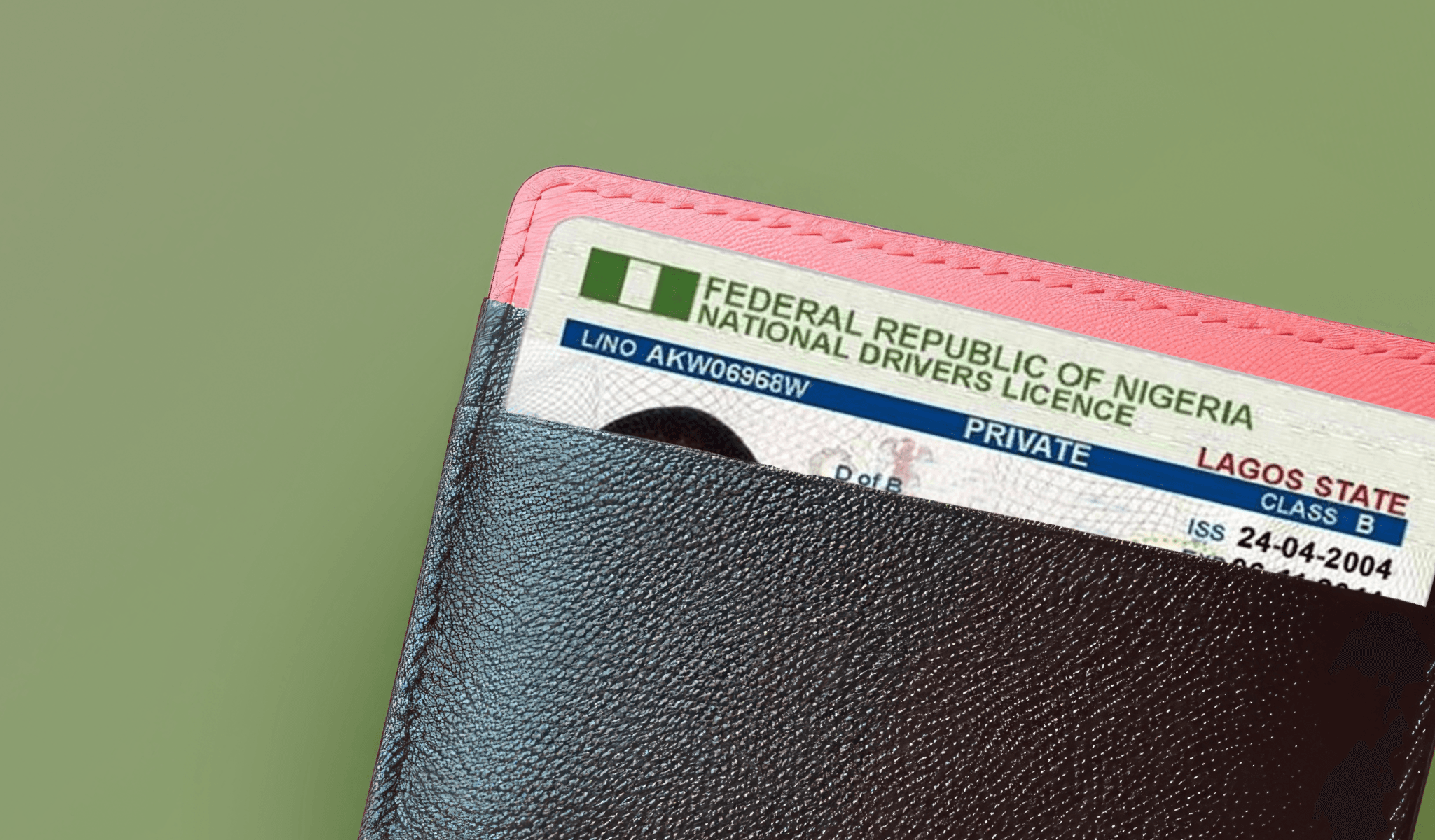
Driving in the UK with a Nigerian licence? Learn how long your international licence is valid, how to get a UK licence, and find affordable car insurance for expats.
A step-by-step guide to proving your claims-free driving history. We don't mind what country it's from - find the documents we accept and upload it on the app.