 Car insurance
 Telematics
 Van insurance
 Home insurance
 Car finance
home insurance guides
When do you need home insurance in the UK?
Find out when you need home insurance in the UK, whether it’s required by law, and what renters and homeowners need to know.





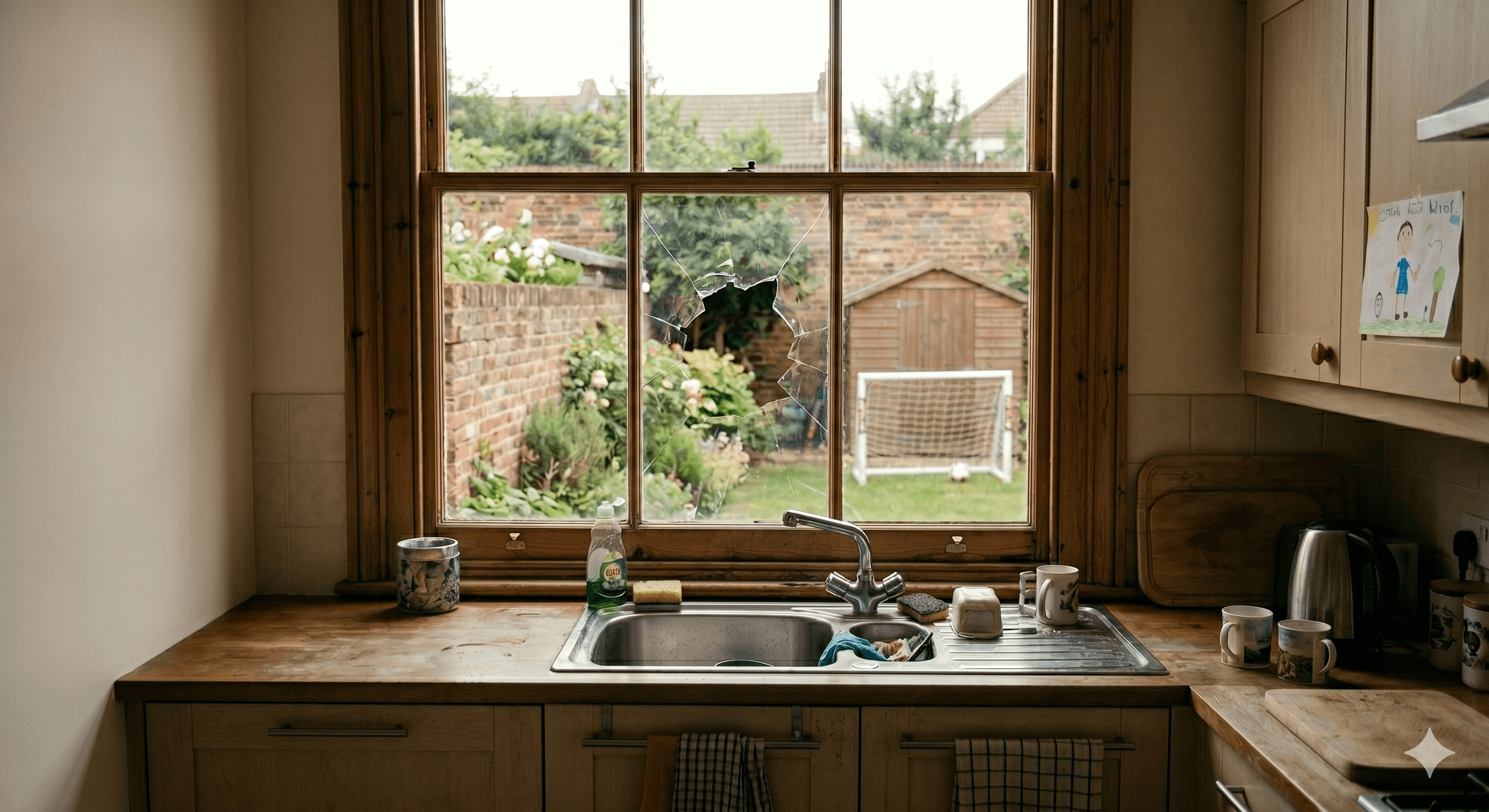

When you take out home insurance, there are many things a standard buildings policy will protect you against: fire, flooding, storms, and subsidence.
But drop a tin of paint on your hardwood floor or put your foot through the ceiling while in the loft, and you might not be covered.
That's where accidental damage insurance comes in. This guide explains what it is, what it covers, and whether it's worth adding to your policy.
Accidental damage cover is an insurance add-on that pays out when something in your home is damaged through an accident, rather than an insured event or gradual wear and tear.
A standard buildings insurance policy will cover damage from specific events, such as fires, floods, storms and subsidence.
But accidents that fall outside those categories, things that just happen day-to-day, are usually excluded unless you add accidental damage insurance.
It's worth knowing that accidental damage can apply to two different parts of your home insurance:
Personal possessions cover can insure your belongings from accidental damage and theft both at home and on the move.
Accidental damage on a buildings insurance policy covers unexpected damage to the structure of your home. Some common examples include:
By adding accidental damage insurance to your policy, you get the peace of mind of knowing that everyday mishaps won't lead to an unexpected bill.
Accidental damage insurance has limits, particularly around good maintenance. Common exclusions include:
Always check the specific exclusions in your policy wording, as they can vary between insurers.
There's no single answer to this. Whether accidental damage insurance is worth adding depends on your circumstances and how you use your home. Here are some things to think about:
It's also worth noting that making a claim for accidental damage may affect your No Claims Discount at renewal, so small repairs might be better handled out of pocket.
Accidental damage on a buildings policy only covers the structure of your home. If you want protection for your belongings, you'd need to add accidental damage to a contents insurance policy instead.
Contents accidental damage covers things like spilling a drink on a laptop, or dropping and breaking a television.
Because the two add-ons cover different things, you may want both buildings and contents insurance if you own your home and want broader protection.
If you accidentally cause damage to a neighbour's property, your buildings insurance policy may help through its liability cover.
This covers you if you're found legally responsible for damage or injury caused to someone else as a result of your property, such as a pipe that bursts and floods the flat below, or a tile that falls and damages their car.
Accidental damage cover is specifically for damage to your own home. If you're concerned about liability to others, check whether your buildings policy includes property owner's liability cover and what the limits are.
At Marshmallow, we offer home insurance designed with UK newcomers in mind, including buildings insurance, contents insurance, and combined policies.
We don't currently offer accidental damage as an add-on on our buildings policies. But if you're looking for straightforward home insurance that covers the essentials, from fire and flood to storm damage and subsidence, we can help.
Find out more or get a free quote today.
No. Buildings insurance covers damage from specific events like fire, flooding, and storms. Accidental damage is an optional add-on that extends your cover to include sudden, unexpected mishaps not caused by those events.
Not usually. Accidental damage is typically an optional extra that you add to your policy. Always check your policy documents to confirm what's included as standard.
This depends on your insurer. Some allow mid-policy changes, though an admin fee may apply. Check with your insurer directly if you want to add accidental damage cover after your policy has started.
Your excess is the amount you agree to pay towards any claim you make. The amount varies by policy and insurer. Check your policy documents to see what applies to accidental damage claims specifically, as it may differ from your standard excess.
It can do, but not always. Some policies cover accidental damage caused by children living in the home; others exclude it. Check the specific terms of your policy to be sure.
Find out when you need home insurance in the UK, whether it’s required by law, and what renters and homeowners need to know.
Learn the difference between buildings and contents insurance, what each covers, and how to choose the right cover for your home in the UK.

Learn how to calculate your rebuild cost for home insurance and estimate the value of your contents.