 Car insurance
 Telematics
 Van insurance
 Home insurance
 Car finance
home insurance guides
When do you need home insurance in the UK?
Find out when you need home insurance in the UK, whether it’s required by law, and what renters and homeowners need to know.





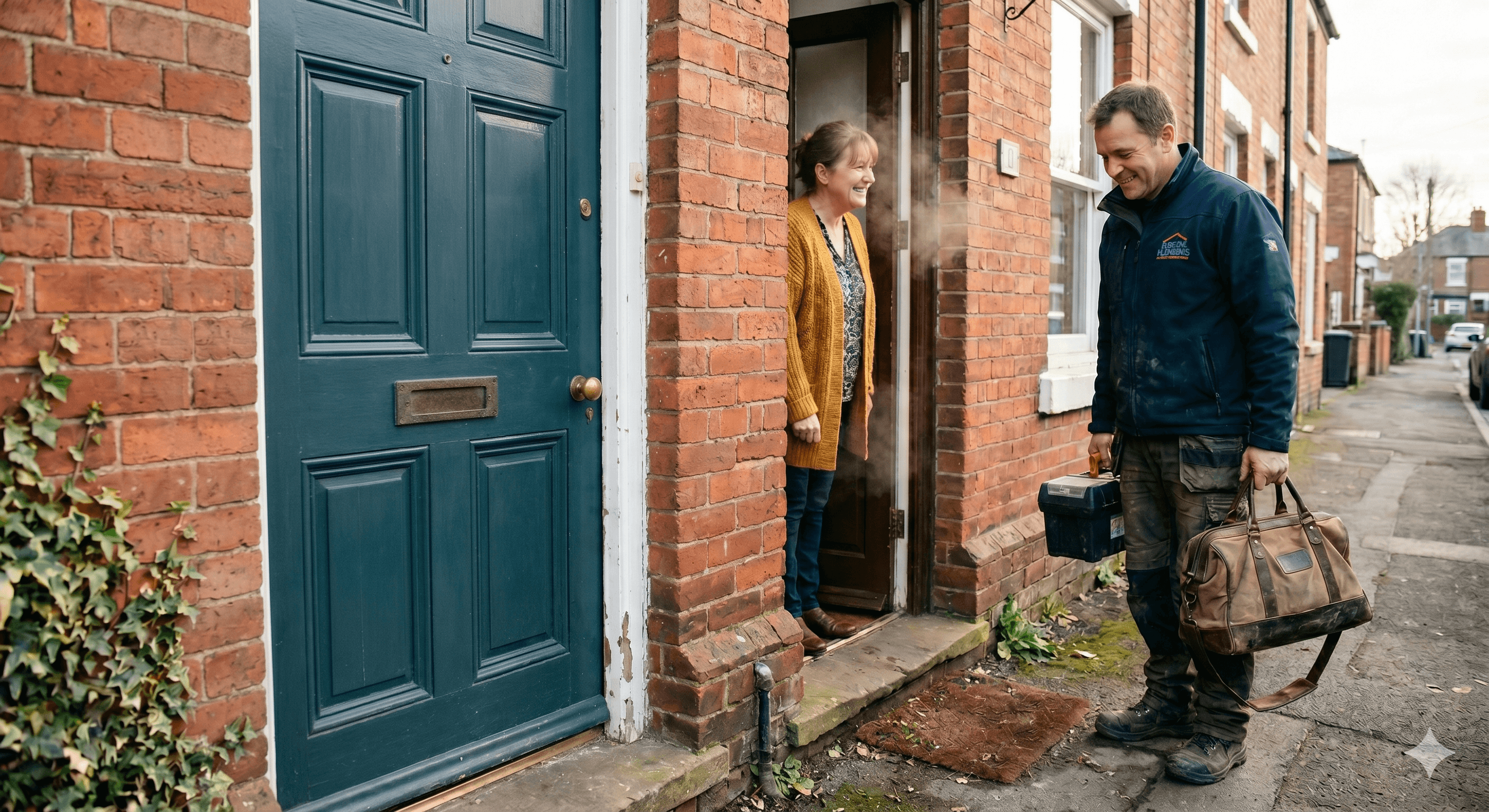

Home emergencies often happen at the worst possible time. A boiler stops working in the middle of winter, or a blocked drain starts flooding your bathroom. It can be stressful, urgent and expensive to fix.
Home emergency cover is designed to take some of that pressure away by helping to pay for quick support when something goes wrong at home.
This guide explains what home emergency cover is, what it includes, and whether it's worth having alongside your home insurance.
Key takeaways
Policies can vary, but home emergency cover will typically pay out if you need urgent help with:
The cover usually includes a call-out fee, labour costs, and parts up to a certain limit, often between £500 and £1,000 per claim.
Some policies also cover temporary accommodation if your home becomes uninhabitable.
Usually it won't cover problems that existed before you bought the policy. Cosmetic issues and general wear and tear are also generally excluded.
Standard home insurance policies are typically:
Home emergency cover is different. Rather than paying for the cost of damage after you've had it repaired, or to replace items, it pays for someone to come out and fix an urgent problem.
For example, if a pipe bursts and water damages your flooring and furniture, your buildings and contents insurance would pay for the repair of the damage.
Home emergency cover would pay for the plumber to come out and fix the pipe in the first place.
Some home insurance providers offer home emergency cover as an optional extra that you can add to your policy for an extra cost. Others sell it as a standalone product.
It's also available directly from some energy suppliers, water companies and boiler manufacturers, sometimes bundled with a service plan.
Before buying home emergency cover separately, it's worth checking whether your home insurance already includes it, or whether it can be added on.
Whether home emergency cover is worth paying for depends on your personal situation and how much you want to spend. For some people it offers real peace of mind.
It may be worth it if:
It may be less necessary if:
Taking steps to maintain your home and prevent problems before they happen can also reduce the likelihood of needing emergency call-outs in the first place.
Home emergency cover is not a legal requirement. Unlike buildings insurance, which many mortgage lenders require, home emergency cover is optional.
It can be a useful safety net, particularly if you own your home and are responsible for maintenance costs, as it protects you from large, unexpected bills.
If you rent your home, your landlord is typically responsible for keeping essential systems like heating, hot water, and plumbing in working order.
In most cases, making a claim on a home emergency cover policy will not affect your home insurance no claims discount (NCD). This is because home emergency cover is usually a separate policy, with its own claims history.
However, if your home emergency cover is an add-on to your home insurance policy rather than a standalone product, it's worth checking with your provider.
Some insurers may treat claims differently depending on how the policies are structured.
It's also worth keeping a record of any emergency call-outs you make, as this may affect the renewal price of your home emergency cover itself.
While we don't offer home emergency cover right now, our buildings and contents insurance is designed for people new to the UK.
It's easy to apply online, with simple language that explains things clearly. Plus we look beyond your UK credit history to give you our best price.
To find out more about what our home insurance includes, get a free quote today.
A home emergency is generally defined as a sudden, unexpected event that makes your home unsafe, unsecure, or uninhabitable, and requires an urgent repair.
For example a boiler failure in winter, a burst pipe, a power cut to part of your home, or a broken external door that can't be secured.
Not quite. Boiler cover is specifically for your boiler and central heating system, and usually includes an annual service as well as breakdown cover.
Home emergency cover is broader and includes a wider range of urgent problems but may offer less in-depth support for the boiler specifically.
Yes, renters can take out home emergency cover. However, your landlord is usually responsible for maintaining essential systems, so you may already have some protection. Some policies aimed at renters focus on things like lost keys or pest control.
Some policies include cover for temporary accommodation if your home becomes uninhabitable due to a covered emergency, such as a flood from a burst pipe.
A home warranty typically covers the repair or replacement of appliances and home systems due to wear and tear over time. Home emergency cover focuses on sudden, urgent problems that need fixing immediately.
Find out when you need home insurance in the UK, whether it’s required by law, and what renters and homeowners need to know.
Learn the difference between buildings and contents insurance, what each covers, and how to choose the right cover for your home in the UK.

Learn how to calculate your rebuild cost for home insurance and estimate the value of your contents.