 Car insurance
 Telematics
 Van insurance
 Home insurance
 Car finance



living in the uk
15 confusing British phrases that need translating
Moving to the UK? Get ready to speak a whole new language – British. No, not ‘English’ – you’ve got that down already.
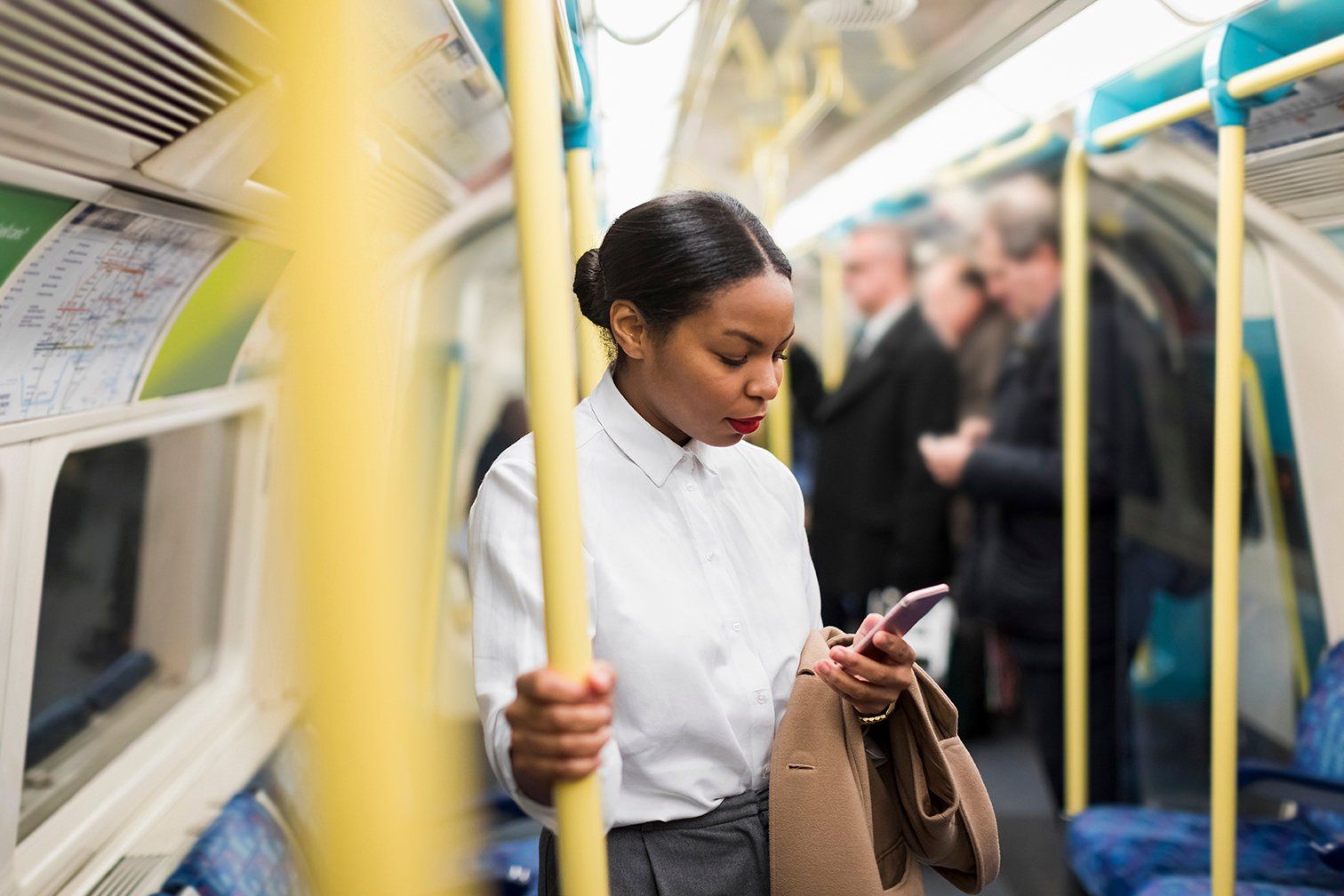

Trying to figure out a new country’s public transport system can leave you feeling a bit… lost. Quite literally, sometimes.
How do you get the bus to stop? Can you buy a ticket on the train? What even is an Oyster Card?
If you’ve not yet got your car insurance sorted or you just prefer to let someone else do the driving for now, we’ll help you understand the UK’s public transport system. You’ll be hopping on and off like a local in no time.
Trains are probably the most pleasant way to travel long distances in the UK. It’s more comfortable than driving and if you’re on a route with few stops or changes it might even be quicker.
The main disadvantage to trains in the UK is the cost. It’s usually more expensive than driving, especially if there’s a small group of you travelling.
These are some tips for cheaper train travel in the UK:
You usually need to buy a ticket before you board. You can be fined if you’re caught without one. But if the ticket office is closed (or there isn’t one) and there’s no working ticket machine on the platform either, you can board the train without and buy it from the guard on the train.
Electric underground metro trains haven’t really caught on in the UK. With one massive exception: The London Tube.
In fact you have to head north to find another metro system in the UK. A long way north. The Tyne and Wear Metro is 300 miles away and the Glasgow Subway is even further, in Scotland.
You’ll need to buy a ticket to get through the ticket barriers for underground trains. Or if you’re a regular traveller you can use each city’s travelcard system to save time and money.
If you ask a Londoner to direct you to the metro, you’ll be met with puzzled looks. They call it the Tube and it’s an essential part of London life. The Docklands Light Railway (DLR) and Overground are also part of the London metro system and you use them in the same way as the Tube.
Up to five million people jump on the Tube each day so it can feel a bit frantic. Follow these tips for successful Tube travel:
There are two big advantages of buses over trains in the UK. They’re a lot cheaper and they get to a lot of places that the train lines don’t reach.
Buses are for short distances. For longer trips between cities you’ll need a train or a coach.
Buses are run by lots of independent local providers, which each set their own fares. You can often find route maps and fare details on each provider’s website and they might even have an app where you can buy tickets and see live journey updates.
The famous London buses are bright red and hard to miss. Elsewhere in the country how they look will be different.
Here’s how to catch a bus in the UK:
Coaches in the UK are really cheap for long distances compared with trains. There are three main coach companies – MegaBus, National Express and FlixBus.
You can buy tickets from each company’s website. Cheap fares sell out fast, so buy as far ahead as you can.
Coaches mostly travel in and out of the largest cities like London, Birmingham and Manchester, and to airports. If you’re travelling between smaller towns it’s likely you’ll have to journey through these hubs and change there.
Indirect routes and city traffic make coach travel pretty slow. But they’re a winner if you need to travel at night to get a flight, or you only need to go from one city centre to another.
At busy coach stations like London Victoria it can be hard to tell which stand to go to. Check departure boards, or ask a member of staff for help.
There are a handful of tram systems dotted around the UK:
The London, Manchester and Nottingham trams let you pay by tapping your contactless card on a reader when you get on and off the tram, so that you’re charged the right fare. On other trams you’ll need to buy a ticket before you board.
There are two types of taxi in the UK:
Black cabs have a meter so you can see the fare adding up during the journey. For minicabs you should agree the fare when you book.
Taxi drivers usually take card or cash.Taxis are often the most expensive way to travel in the UK. But sometimes it works out cheaper for a small group of you to split a cab fare than to buy four or five train tickets.
While driving is the fastest and cheapest way to get around most of the time, it’s the opposite in London. If you don’t fancy taking on the Capital by car (we don’t blame you), here’s what you need to know to make the most of the public transport network:
The UK’s public transport network is great, but sometimes it just makes sense to drive yourself.
If you’re ready to get around in your own car you’ll need car insurance. Get a quote and see if we can save you some money
Moving to the UK? Get ready to speak a whole new language – British. No, not ‘English’ – you’ve got that down already.
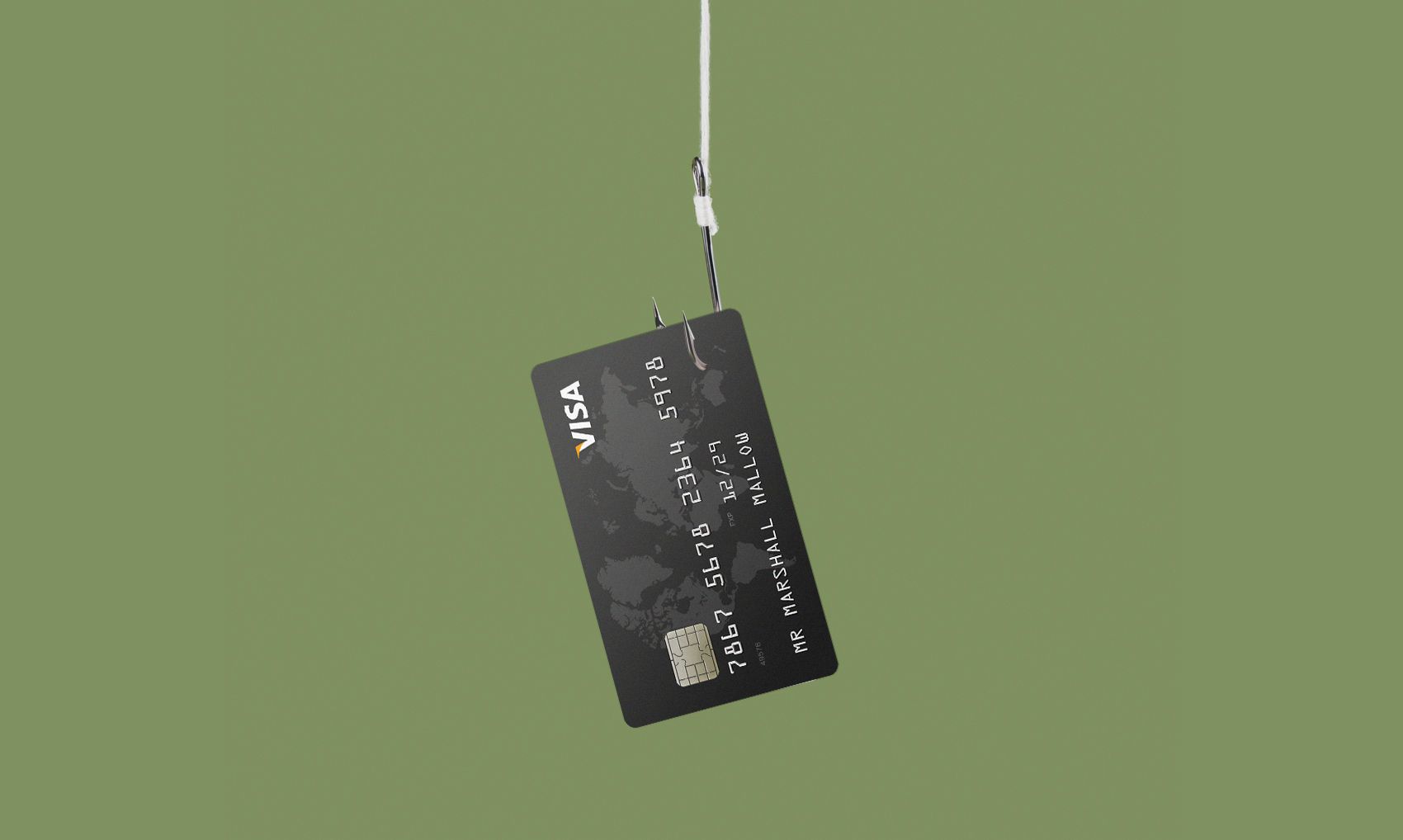
Like every country in the world, the UK has its fair share of fraudsters. Often these scams prey on common fears, exploiting people when they’re feeling unsure and anxious.

Steer clear of these common new renter mistakes and find your perfect first house or flat in the UK. Spot scams, stay safe and welcome to your new home!