 Car insurance
 Telematics
 Van insurance
 Home insurance

 Car finance



car insurance guides
Is a black box worth it for car insurance?
Find out if black box car insurance is worth it, how much it can reduce costs, and when insurance without a black box might be better.
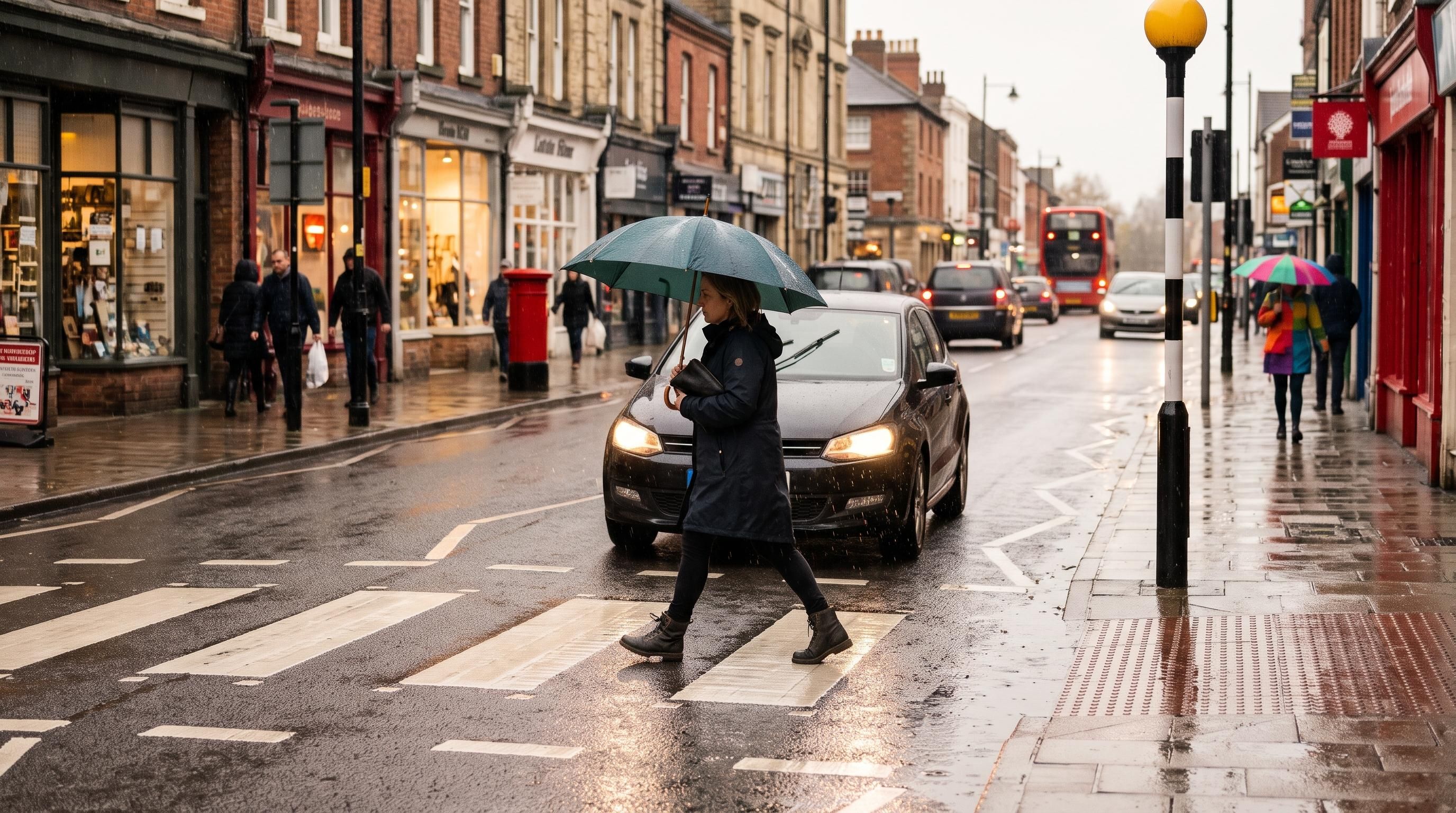

Rain can make familiar roads more challenging to navigate. With less grip under your tyres and reduced visibility, you’ll need more time and space to slow down safely.
Adapting your speed, leaving a bigger gap between you and the vehicle ahead, and braking smoothly can help you stay in control when the roads are wet.
Whether you’re driving through a sudden downpour or dealing with heavy rain on your daily commute, here’s how to adjust your braking habits and what to watch out for.
When rain covers the road, the layer of water between your tyres and the surface can reduce the grip available for braking. This means your tyres may not slow the car as effectively as they would on a dry road.
How much grip your tyres have depends on several factors, including your speed, tyre condition, the road surface and how much water has collected on the road.
Stopping distance is the total distance your car travels from the moment you recognise a hazard to the moment you come to a complete stop. It includes both thinking distance and braking distance.
In wet conditions, reduced tyre grip increases the distance needed to brake. Rain and spray can also make it harder to spot hazards early, leaving you with less time to react.
According to the Highway Code, stopping distances are at least double in wet weather compared with dry conditions. This is why it's important to slow down and leave more space between vehicles when driving in the rain.
Harsh braking means applying the brakes sharply or suddenly. On a wet road, doing so can make it harder to maintain control, particularly if you’re travelling too fast for the conditions or need to steer while braking.
Your tyres have a limited amount of grip available. If that grip is reduced by standing water or a slippery surface, braking suddenly can make it more difficult for your car to respond as expected.
In particularly wet conditions, standing water can also cause aquaplaning. This happens when water builds up between your tyres and the road, causing a loss of grip. If your car begins to aquaplane, avoid sudden braking or steering movements, and allow the vehicle to slow down gradually until the tyres regain grip.
Harsh braking isn't just a concern in wet weather. Data from Marshmallow Move telematics, which analysed more than 10 million car journeys, found that 51% of drivers received a braking rating of ‘Poor or worse’. Dangerous braking was also 7 times more likely than speeding.
While the data doesn't tell us what the weather conditions were like during these journeys, it highlights the importance of developing smoother braking habits. These become particularly valuable in wet weather, when reduced tyre grip can make sudden braking more difficult to manage.
A few simple changes to how you drive can help you stay safer on wet roads
Driving more slowly gives you more time to identify hazards and react to changes in traffic. It also reduces the distance your car travels while you react and generally reduces the distance needed to stop.
Pay attention to how heavy any rain is, how much water has collected on the road and how clearly you can see ahead. A speed that feels safe on a dry road may be too fast when visibility is poor or the road is very wet.
One of the simplest ways to reduce the need for sudden braking is to leave a larger gap between your car and the vehicle in front. The Highway Code recommends leaving at least a two-second gap between vehicles on high-speed roads in good conditions and increasing this to at least four seconds when the roads are wet.
To judge the gap, choose a fixed point, such as a road sign or lamppost. When the vehicle ahead passes it, count the seconds until you reach the same point. If you arrive too soon, increase the distance.
Looking beyond the vehicle immediately in front of you can help you spot situations that might require you to slow down.
Watch for brake lights further along the road, traffic building up near junctions, pedestrians approaching crossings and vehicles preparing to turn. In wet weather, also look out for large puddles, pooled water and areas where the road surface appears particularly slippery.
If you can see a hazard developing, ease off the accelerator early and allow your speed to decrease before applying the brakes if needed.
This gives you more time to slow down progressively rather than braking sharply at the last moment.
When you need to slow down, aim to apply the brakes in a controlled, progressive way rather than pressing firmly and sharply.
Start slowing down earlier than you might in dry conditions, using gentle, steady pressure where appropriate. As you approach a junction, bend or queue of traffic, allow enough room to reduce your speed without needing a sudden stop.
Try to avoid combining hard braking with sharp steering movements, as your tyres may struggle to provide enough grip for both actions on a slippery surface.
Bends and junctions can require you to brake, steer and adjust your speed within a short distance. Wet conditions make it particularly important to plan these manoeuvres in advance.
Where possible, reduce your speed before entering a bend, rather than braking sharply while steering through it. When approaching junctions, brake early enough to slow down gradually, taking extra care where you may need to stop or give way. This reduces the risk of losing grip when the road is slippery.
Take particular care when approaching junctions and roundabouts, especially where water has collected or the road surface may be slippery.
Wet roads can change how your car responds, even on routes you know well. Reduced grip and longer stopping distances mean that reacting early, maintaining a safe following distance, and braking smoothly become particularly important.
By making these small adjustments, you can give yourself more time to react and make your journeys safer when driving in wet or rainy conditions.
Looking for car insurance that helps you stay safe? With Marshmallow Move, you get insights on your driving and tips on how to improve. Get a quote today to see what you could save with telematics car insurance.
Find out if black box car insurance is worth it, how much it can reduce costs, and when insurance without a black box might be better.

Learn what black box or telematics insurance is, how it works, whether it can lower your costs, and if it's worth it for drivers in the UK.
Learn the main black box car insurance rules in the UK, what could happen if you break them and how it works with Marshmallow's telematics plan.