 Car insurance
 Telematics
 Van insurance
 Home insurance
 Car finance
home insurance guides
When do you need home insurance in the UK?
Find out when you need home insurance in the UK, whether it’s required by law, and what renters and homeowners need to know.





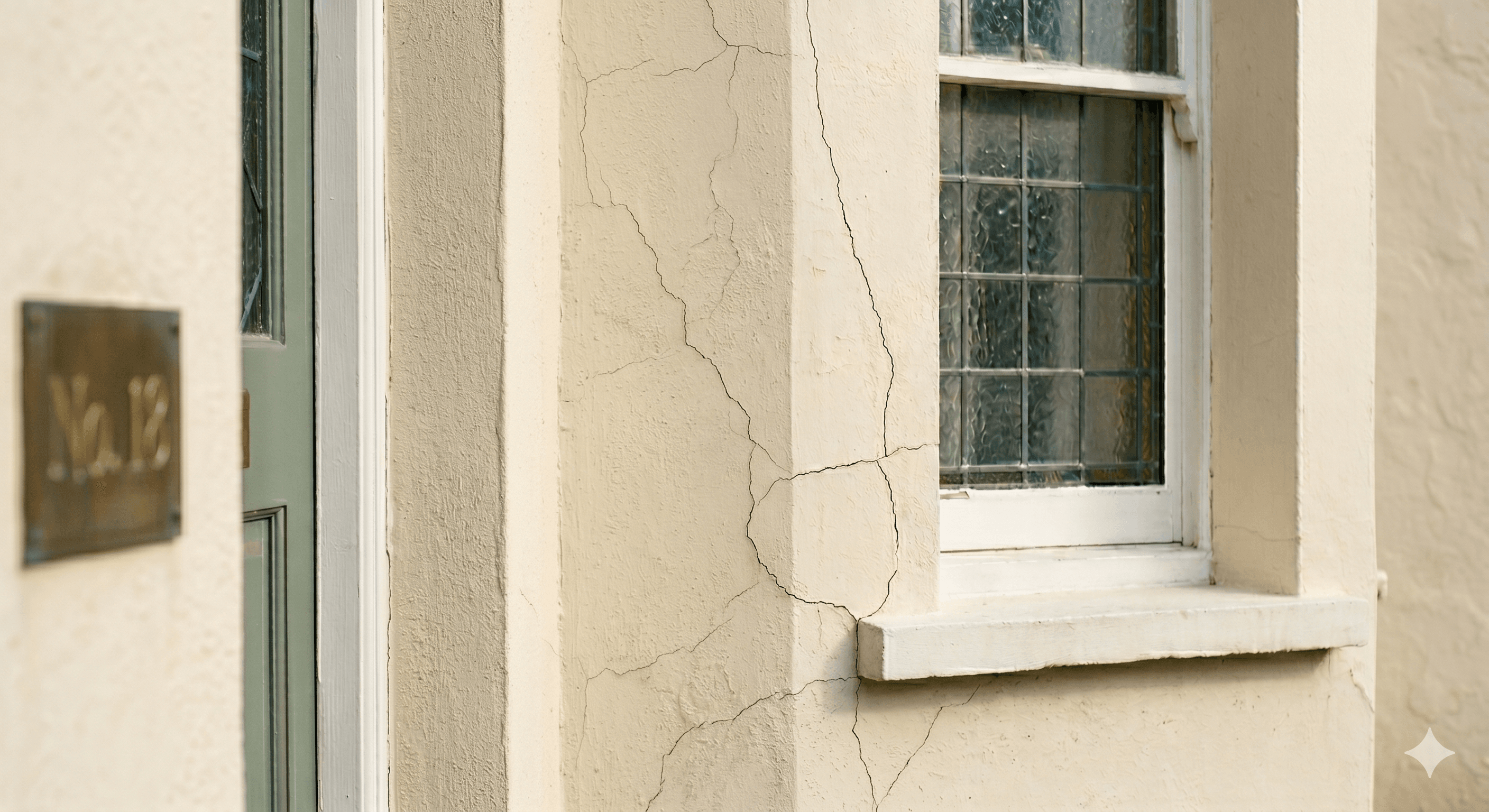

Noticing a crack in your wall can be unsettling, especially if you own your home. The good news is that many cracks are completely normal. But some can point to more serious structural problems, including subsidence.
This guide explains what different types of cracks mean, when to take action, and what it could mean for your home insurance.
Key takeaways:
Minor cracks can appear in walls for all kinds of reasons, and many are harmless.
Homes expand and contract with the seasons. Plaster dries out, and new builds settle as the ground adjusts to the weight of the structure. All of this can cause small cracks to appear over time.
That doesn't mean you should ignore every crack you see. Some cracks can be a sign of structural issues that need attention. The key is knowing the difference between a cosmetic crack and one that needs checking.
There are several common reasons cracks appear.
Not all cracks are the same. The shape, direction and location of a crack can tell you a lot about what's causing it.
Many cracks don't need immediate action, but there are some signs that a crack is more than cosmetic.
You should get professional advice if:
If you notice any of these signs, contact a structural engineer or a Royal Institution of Chartered Surveyors (RICS) surveyor. They can recommend what to do next.
Subsidence is when the ground beneath a property sinks or shifts, causing the foundations to move. This movement puts stress on the structure of the building, which can cause cracks.
It's different from settlement, which is the gradual adjustment a building makes in its early years. Subsidence is uneven and can affect older properties too.
Common causes of subsidence include:
The signs to look for include:
Monitoring is important. Mark the ends of any cracks with a pencil and the date, then check them regularly to see if they're growing.
A RICS surveyor can also carry out a formal assessment. If you suspect subsidence, it's important to act sooner rather than later.
In many cases, yes. The right solution depends on the cause and the severity.
Common fixes include:
Once the cause has been addressed, cracked walls can then be repaired.
Good ongoing home maintenance can help prevent problems from developing in the first place. Our guide to home maintenance and risk prevention has practical advice on keeping your property in good shape.
Subsidence damage is typically covered under buildings insurance as standard. If your home is affected, you can make a claim to cover the cost of repairs to the structure of the building.
An excess is the amount you pay towards a claim before your insurer covers the rest. It is usually higher for subsidence claims, often £1,000 or more.
This is because subsidence claims tend to be expensive, so insurers set a higher excess. It's worth checking what your subsidence excess is before you need to make a claim.
You must declare any known subsidence, past or present, when you take out or renew a home insurance policy. Failing to disclose it could invalidate your insurance.
If your home has had subsidence in the past and it has been fully repaired, you still need to declare it.
Some insurers may charge a higher price as a result, but many will still offer cover. Being upfront from the start helps protect you if you ever need to make a claim.
A history of subsidence can make it harder to get cover, and it may affect your price.
If you're buying a home with a history of subsidence, it's worth getting a full structural survey before you complete and making sure you understand the insurance implications.
Our guide to how much home insurance costs covers the factors that affect your price in more detail.
At Marshmallow, we offer home insurance designed for people who are new to the UK.
Our buildings insurance covers subsidence as standard, so if the ground beneath your home shifts and causes structural damage, you're protected.
Find out when you need home insurance in the UK, whether it’s required by law, and what renters and homeowners need to know.
Learn the difference between buildings and contents insurance, what each covers, and how to choose the right cover for your home in the UK.

Learn how to calculate your rebuild cost for home insurance and estimate the value of your contents.