 Car insurance
 Telematics
 Van insurance

 Home insurance

 Car finance




car insurance guides
What impacts your car insurance quote cost?
Find out what impacts your car insurance quote and how to get affordable cover.
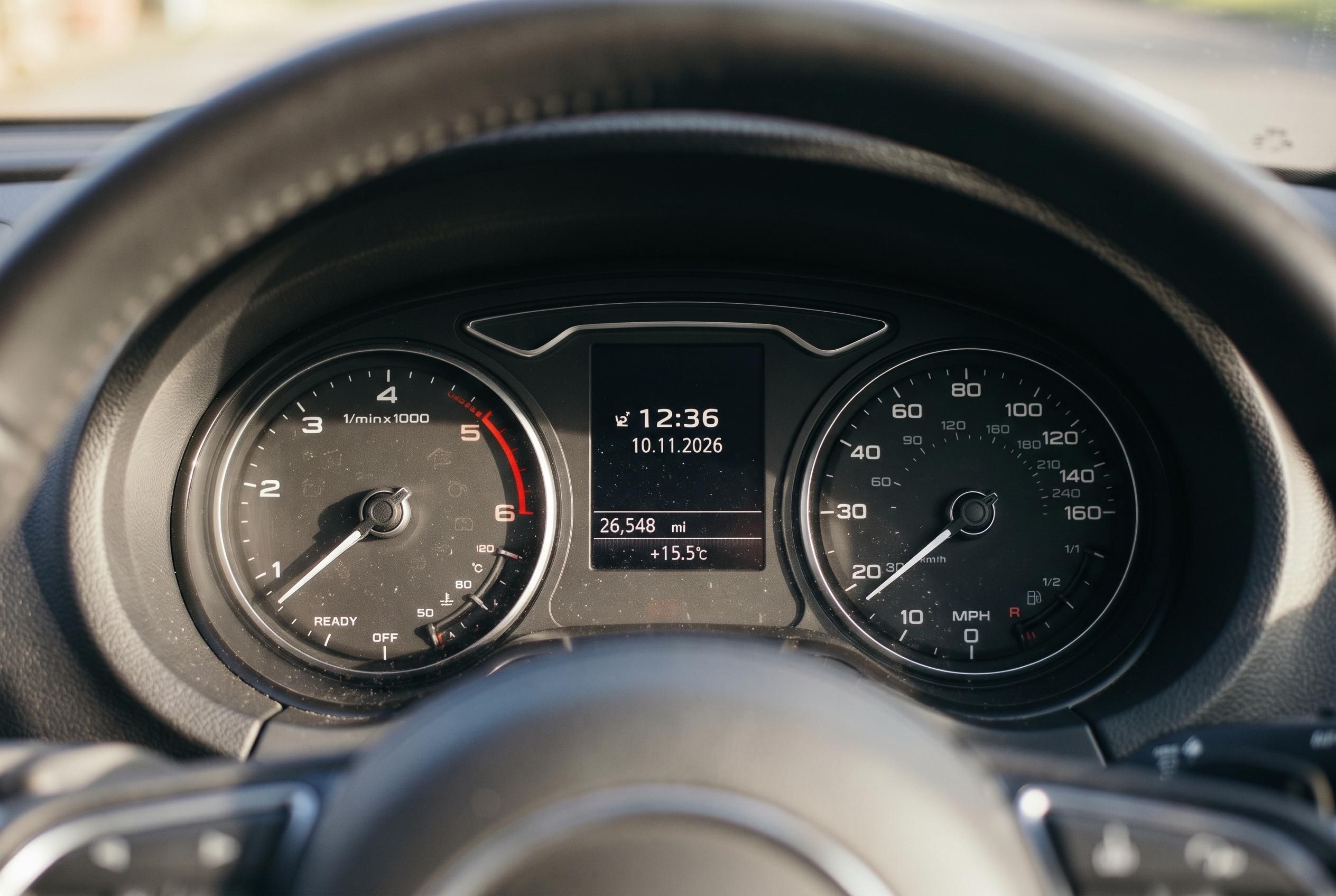

When you take out or renew a car insurance policy, you’ll be asked how many miles you expect to drive over the next 12 months.
If you use your car every day, this might be easy to estimate. But if you work from home, drive occasionally or have recently changed your routine, it can be harder to know what figure to give.
Your annual mileage estimate should reflect how much you realistically expect to drive, rather than simply repeating the number you used last year.
You don’t need to predict every individual journey. By checking your car’s mileage history and working out how much travelling your typical routine involves, you can make a reasonable estimate for your insurance.
There are two straightforward ways to estimate your annual mileage. You can calculate your typical weekly journeys and work out what that adds up to over a year or use your car’s recorded mileage to understand how much you’ve driven in the past.
Start by listing the journeys you make in a typical week. Estimate the distance of each trip, then multiply by how often you make it.
For example:
Multiply your weekly total by 52 to estimate your annual mileage.
130 miles x 52 weeks = 6,760 miles per year
This gives you a starting point based on your regular journeys. Next, add any longer journeys that fall outside your normal weekly routine, such as holidays, road trips or occasional visits to relatives further away.
If you expect to drive another 500 miles on these journeys, your estimated annual mileage would be 7,260 miles.
You can then round your final estimate to a sensible figure when completing your insurance quote.
Your car's MOT history can help you estimate how many miles you typically drive in a year. Use the GOV.UK MOT History Checker to find the mileage recorded at previous tests.
If you have a telematics car insurance policy, you may also be able to use your driving data to understand your mileage.
Calculate an average annual mileage for previous years:
For example, if your car's mileage increased from 45,000 miles in 2020 to 75,000 miles in 2025, you drove 30,000 miles between the two readings. If the readings were exactly five years apart, that works out at approximately 6,000 miles per year.
You can use this figure as a starting point and adjust it to reflect any changes you expect in your driving habits.
A common mistake when estimating annual mileage is only counting your regular journeys in your calculation. However, shorter journeys and occasional longer trips can add up over a year so it’s important to take into account how you use your car outside of your regular routine.
You should also consider whether your driving routine is likely to change during the year. You might drive less during the summer if you usually go on holiday, or more during winter if you normally walk or cycle to work. If you have a house-move or new job on the horizon, this may also have an impact on your mileage.
Yes. Insurers use the information you provide when calculating your premium, and your estimated annual mileage is one of the factors that can influence the price of your cover.
In general, someone who drives more miles has more exposure to road risks than someone who drives less. However, mileage is only one part of how insurers assess risk, so a lower estimate doesn’t guarantee a cheaper policy.
Getting your estimate right is important because it helps your insurer price your cover based on how much you expect to drive. Overestimating your mileage could mean paying more than you need to, while underestimating it could leave you with a policy based on inaccurate information.
If your circumstances change during the year and you expect to drive significantly more or less than you originally estimated, contact your insurer to check whether you need to update your policy.
Read our guide for information on what to do if you drive more miles than you declared on your car insurance.
Estimating your annual mileage doesn’t have to be complicated. Start with your car’s MOT history if it’s available or calculate the distance of your usual weekly journeys and multiply by 52 for each week of the year. Then add on how far you expect to travel for one-off trips and any changes to your routine.
You won’t be able to predict every mile, but you should be able to estimate a realistic figure rather than assuming you’ll drive the same number of miles as last year.
Find out what impacts your car insurance quote and how to get affordable cover.

Does your credit score affect car insurance in the UK? Learn how credit checks work, what matters most, and how to get insured if you're new to the UK.

Find out how much UK car insurance can increase after an accident, what affects the change, how long it can last, and when it's worth claiming.