 Car insurance
 Telematics
 Van insurance

 Home insurance

 Car finance




car insurance guides
Is a black box worth it for car insurance?
Find out if black box car insurance is worth it, how much it can reduce costs, and when insurance without a black box might be better.
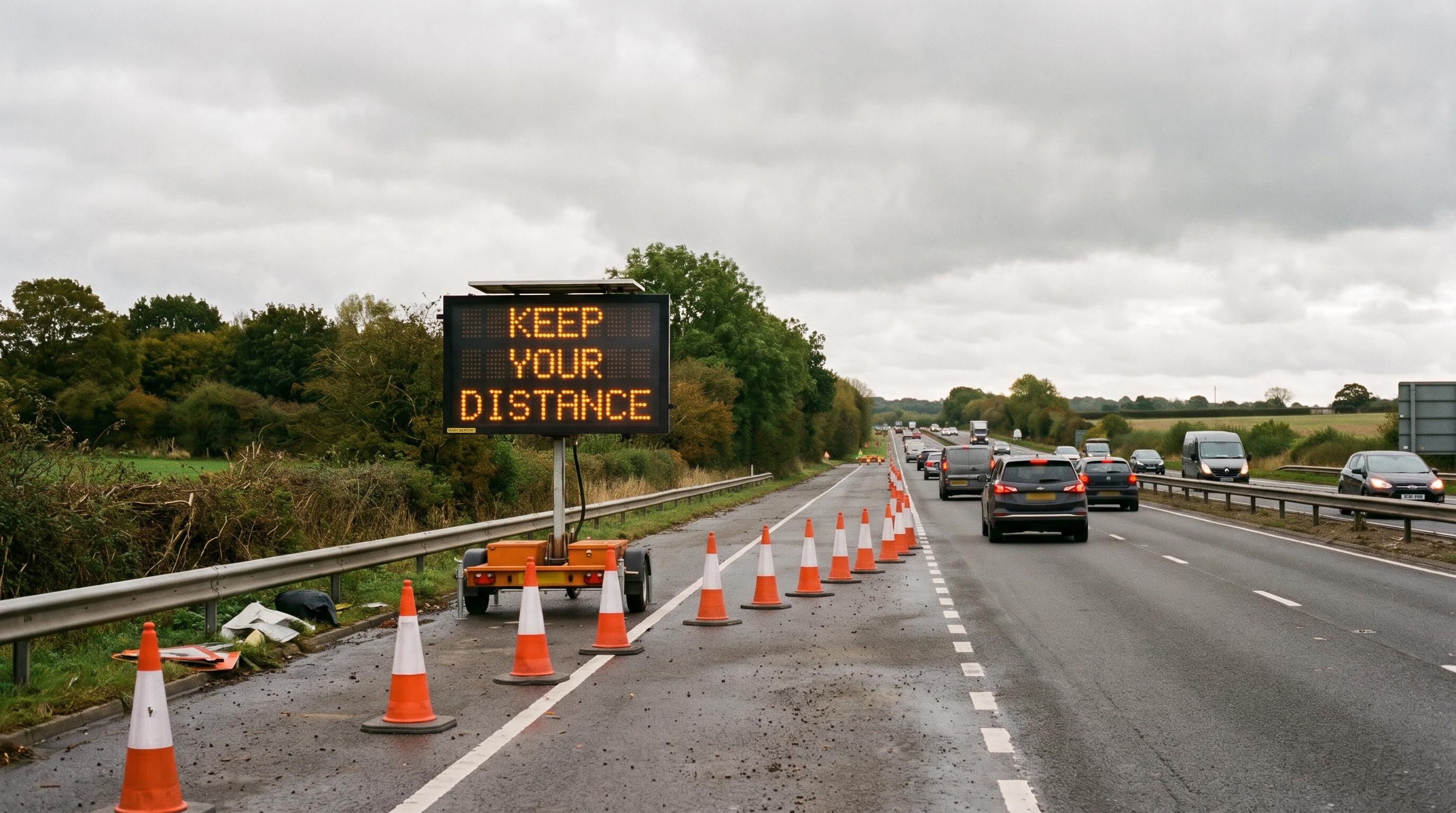

If you have black box car insurance and your braking score is lower than you'd like, you might be wondering how to improve it.
Harsh braking can negatively affect your driving score, but developing better habits can help you avoid unnecessary sudden stops.
The key is to anticipate what's happening on the road, leave enough space between your car and the vehicle in front, and adjust your speed to suit the conditions.
Here's how Marshmallow Move measures harsh braking and what you can do to improve your score.
A harsh braking event is recorded when you reduce your speed suddenly, such as slamming on the brakes in a lower-speed area or slowing dramatically on a motorway.
Black box insurance uses telematics technology to collect driving information. With Marshmallow Move, a small device called a Tag works with the Marshmallow app to record driving data and help calculate your driving score.
It tracks how often harsh braking events occur over time relative to the distance you travel, rather than judging your driving on a single event.
Your driving score is calculated over a rolling 91-day period and updated after each journey. This means that as you develop better braking habits, your newer journeys can help improve your score, while older journeys gradually fall outside the calculation period.
Hard braking generally means slowing down suddenly rather than reducing your speed in a controlled way.
For example, imagine you're approaching a roundabout and the car ahead unexpectedly stops to give way. If you're following too closely or approaching too quickly, you might need to brake sharply to avoid a collision.
Common driving habits that can contribute to harsh braking include:
Of course, hard braking isn't always avoidable. If another vehicle suddenly pulls out in front of you, braking sharply may be the safest response.
The most useful way to improve your black box braking score is to reduce how often you need to brake suddenly. That means recognising hazards earlier, giving yourself more time to react and slowing down progressively wherever it's safe to do so.
Yes. Harsh braking is one of the factors that contributes to your driving score, alongside speeding, and phone use while driving.
Harsh braking is more common than you might think. Our Harsh Braking Report, which analysed more than 10 million car journeys, found that 51% of drivers had a braking rating of ‘Poor or worse’, and that dangerous braking was 7 times more likely than speeding.
While an occasional harsh braking event won't necessarily have a significant impact on your score, frequent sudden braking can indicate a pattern worth addressing.
Improving your black box braking score takes time and consistency. You won't always be able to avoid braking sharply, particularly when responding to unexpected hazards, but anticipating traffic, leaving enough space and slowing down progressively can help reduce unnecessary harsh braking.
With Marshmallow Move, you can use your driving score and feedback to understand your habits, track your progress and work towards smoother, safer driving.
Find out if black box car insurance is worth it, how much it can reduce costs, and when insurance without a black box might be better.

Learn what black box or telematics insurance is, how it works, whether it can lower your costs, and if it's worth it for drivers in the UK.
Learn the main black box car insurance rules in the UK, what could happen if you break them and how it works with Marshmallow's telematics plan.