 Car insurance
 Telematics
 Van insurance
 Home insurance
 Car finance



living in the uk
15 confusing British phrases that need translating
Moving to the UK? Get ready to speak a whole new language – British. No, not ‘English’ – you’ve got that down already.
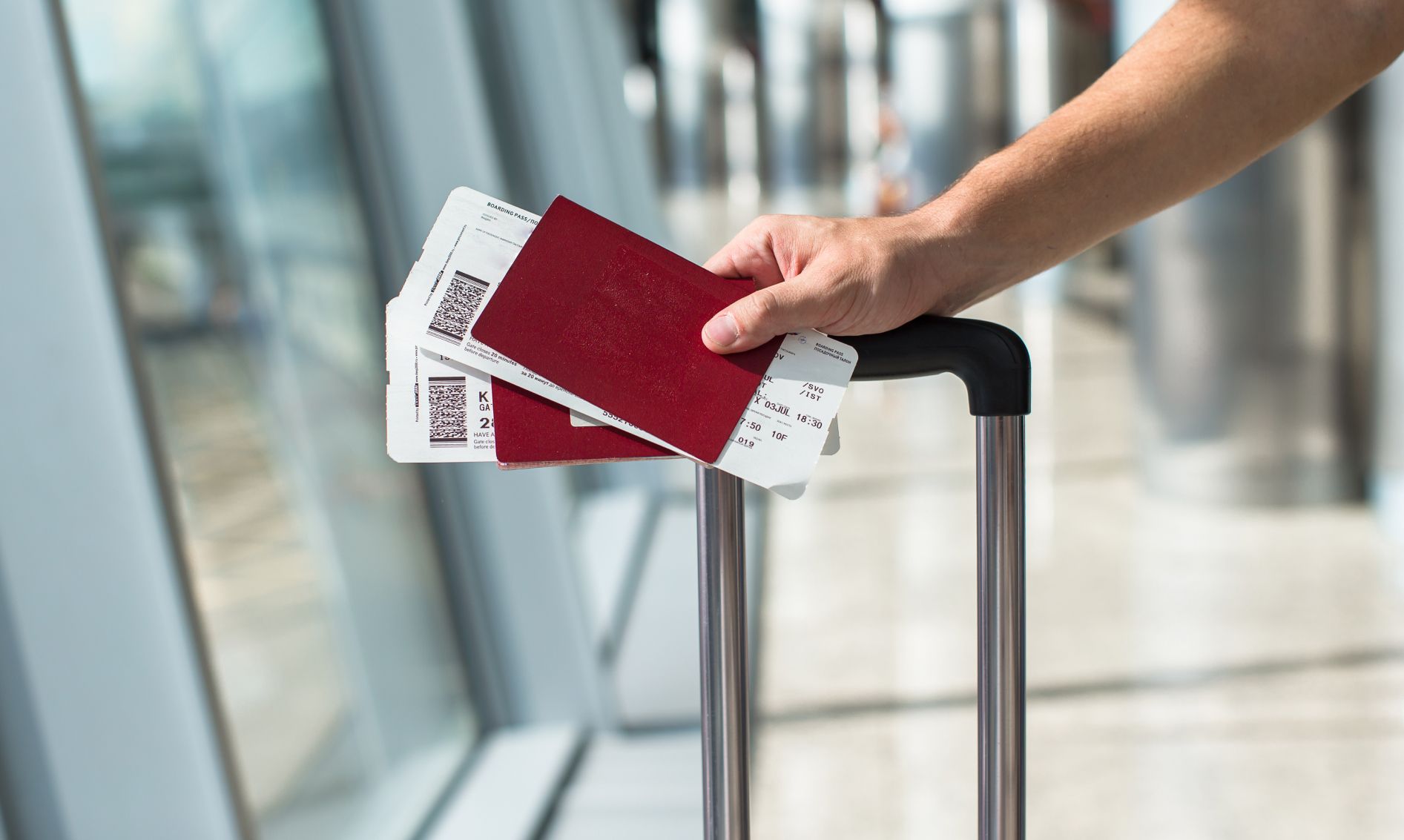

The UK government has laid out some big changes to the immigration system in Parliament that some officials are calling "a complete reset" of how Britain manages who can come to work here.
UK Home Secretary, Yvette Cooper, said the changes aim to "restore proper control and order, after the previous government allowed net migration to quadruple in four years."
But what do these changes actually mean for people wanting to move to the UK? Here's everything you need to know.
The new rules represent a shift towards favouring higher-skilled workers and reducing overall immigration numbers. Here are the key changes:
Over 100 job types have been removed from the list of occupations eligible for Skilled Worker visas. This means people in these removed roles will no longer be able to use this route to move to the UK. The minimum skills and salary thresholds are also being raised.
The government is closing the social care worker visa route to overseas recruitment. Officials say this is due to "widespread abuse and exploitation" of the system. Those already in the UK on this visa will have a transition period until July 2028.
Workers coming on temporary shortage visas will no longer be able to bring their families with them. They also won't get the salary and visa fee discounts that were previously available.
Many occupations on the temporary shortage list will only be eligible until the end of 2026, unless the independent Migration Advisory Committee recommends extending them.
The government says these reforms are necessary to reduce the UK's reliance on overseas workers and encourage more investment in training British workers. Each sector must now have a workforce strategy in place to train UK workers, or it will lose access to the immigration system.
The changes are part of what's being called the "Plan for Change" – an effort to build "an immigration system that serves the needs of the British economy and people – one that values skills, tackles exploitation, and ensures those who come to the UK make a genuine contribution."
These July changes are just the beginning. By the end of this year, the government also plans to:
If you're already in the UK on a work visa, don't panic. The UK government has confirmed there will be transitional arrangements, particularly for overseas care workers already living here.
However, if you're still in the planning stages of moving to the UK for work, these changes could significantly affect your options. It's worth checking whether your occupation is still on the eligible list and making sure you understand the new salary and skills thresholds.
We've always believed that migration is a force for good. People moving to the UK bring valuable skills, fill essential gaps in our workforce, and enrich our communities and culture.
So while we understand the government's desire to create a more controlled system, we hope these changes will still allow the UK to attract the talent it needs to thrive.
Whatever changes lie ahead, we'll be here to support anyone who makes the UK their new home. Whether you're here to work, study or just explore, we’re here to help you keep moving forward.
Moving to the UK? Get ready to speak a whole new language – British. No, not ‘English’ – you’ve got that down already.
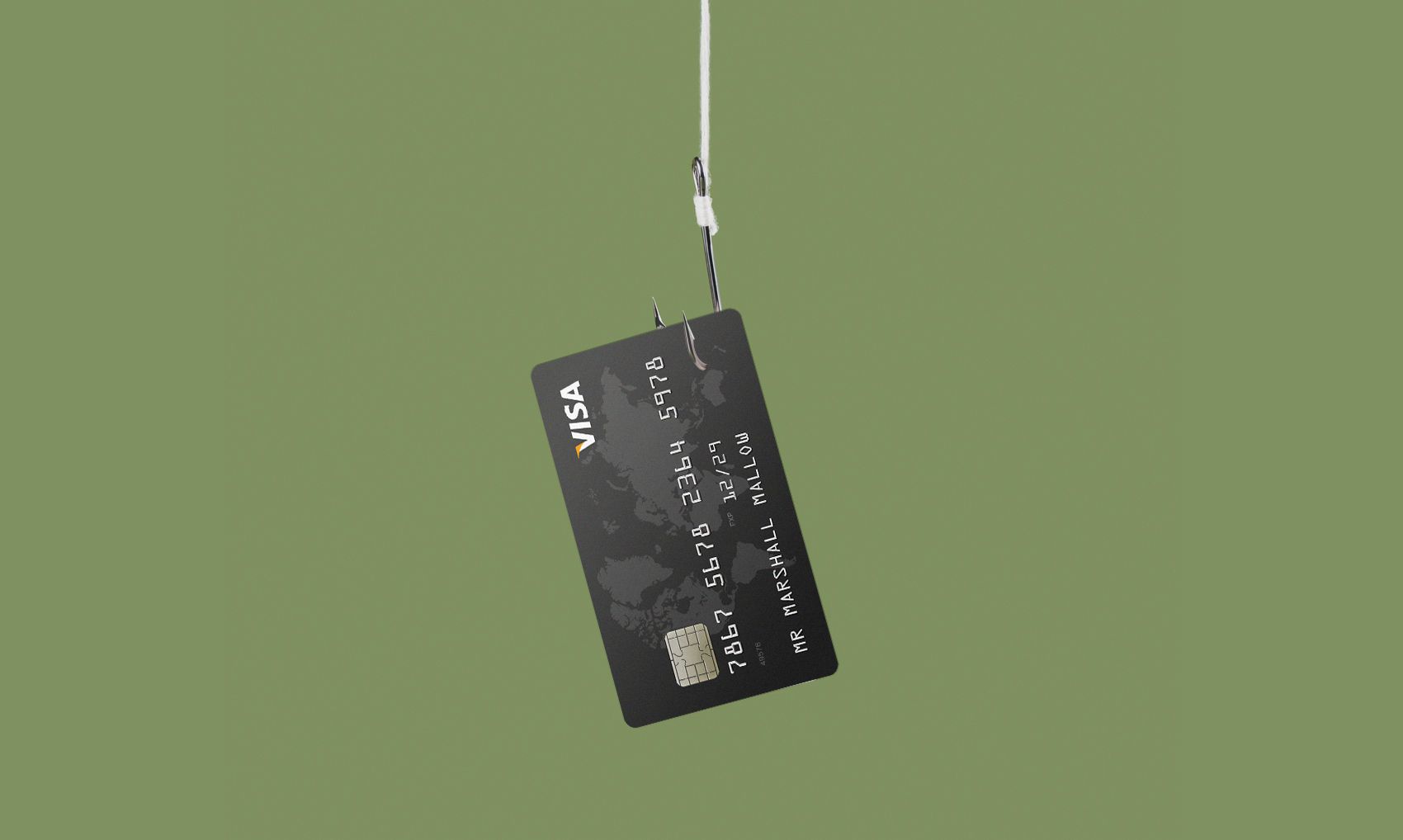
Like every country in the world, the UK has its fair share of fraudsters. Often these scams prey on common fears, exploiting people when they’re feeling unsure and anxious.

Steer clear of these common new renter mistakes and find your perfect first house or flat in the UK. Spot scams, stay safe and welcome to your new home!