 Car insurance
 Telematics
 Van insurance

 Home insurance

 Car finance




car insurance guides
Is a black box worth it for car insurance?
Find out if black box car insurance is worth it, how much it can reduce costs, and when insurance without a black box might be better.
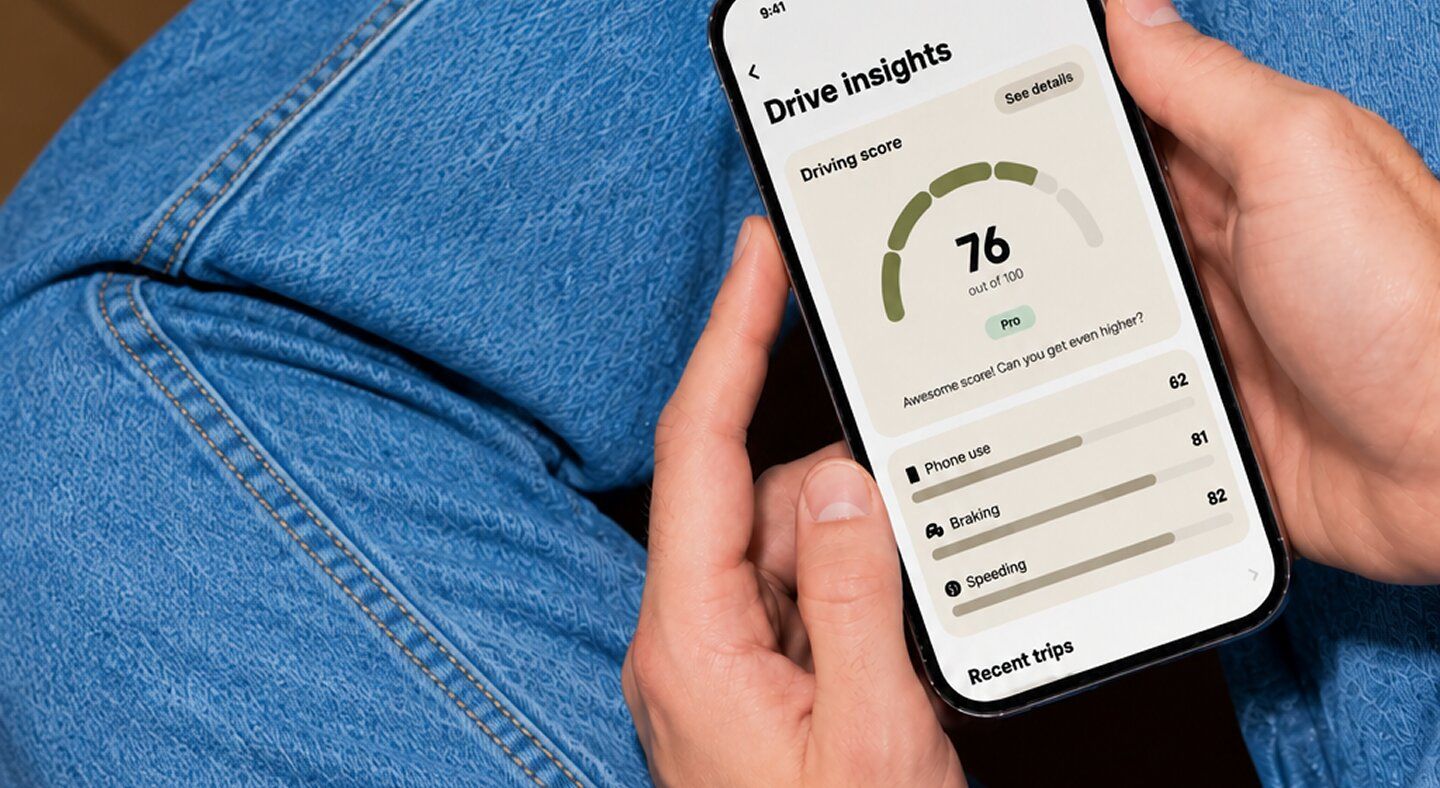

If you have black box car insurance, you can typically see a driving score that shows how you’re doing behind the wheel.
A black box driving score is a measure of your driving behaviour, calculated using data such as speed, braking and driving time collected during your journeys. Insurers use different scoring criteria and systems so what affects your score and how it’s used will depend on your policy.
But what does your telematics score actually mean, how does it impact your car insurance quotes, and what happens if your score drops?
Black box insurance, also known as telematics insurance, collects information about your driving. Depending on the insurer and the systems they use, this information can help assess your driving behaviour and calculate a score.
Marshmallow Move uses a variety of factors to calculate your driving score, which include:
Your overall score combines these areas into a number between 1 and 100. On the Marshmallow app you can see your score and find tips for areas of improvement.
You can find a more detailed explanation in our guide to Marshmallow Move driving data and scoring.
There’s no universal threshold for a ‘good’ black box score. Different insurers use different scoring systems, so a score that’s considered good with one provider may not be the same with another.
You don’t have to drive perfectly on every journey to achieve a good score. The score reflects patterns in your driving over time. An occasional harsh braking event, for example, won’t necessarily have a significant impact on your overall score.
If you’re looking for practical ways to improve, read our guide on how to improve your driving score.
Yes. Your black box driving score can change as your driving habits improve and new journeys are added to the calculation.
Marshmallow Move uses a rolling 91-day window which means your driving score is based on data from the past 91 days, rather than every journey you’ve taken since your policy began.
There are a few reasons your score might change:
A low score doesn’t automatically mean you’ve done something wrong, or that your insurance price will immediately be affected.
With Marshmallow Move, your driving score doesn't change the price you've agreed to pay during your current policy.
However, if you have a very low score that doesn’t improve, your policy may be reviewed. If the review isn't resolved, your policy may then be cancelled.
Other insurers will have similar processes so it’s important to familiarise yourself with the terms and conditions before going ahead with a policy.
Your score can help you identify patterns in your driving and understand where small changes might help. Start with the feedback available in your app, then focus on the habits you can realistically improve.
A few useful starting points are:
For more detailed advice, see our guide to how to improve your driving score, alongside our guidance on harsh braking.
Your black box driving score can help you understand your driving habits and identify areas where you could make improvements. These improvements can not only help you to stay safer on the roads, but they may help to reduce your renewal prices.
Exact scoring systems and how your insurer uses the result will depend on your policy but generally, you can review your score through an app or online portal, look for patterns in your driving and work towards a high score.
Find out if black box car insurance is worth it, how much it can reduce costs, and when insurance without a black box might be better.

Learn what black box or telematics insurance is, how it works, whether it can lower your costs, and if it's worth it for drivers in the UK.
Learn the main black box car insurance rules in the UK, what could happen if you break them and how it works with Marshmallow's telematics plan.