 Car insurance
 Telematics
 Van insurance
 Home insurance

 Car finance




car insurance guides
What is black box or telematics insurance?
Learn what black box or telematics insurance is, how it works, whether it can lower your costs, and if it’s worth it for drivers in the UK.
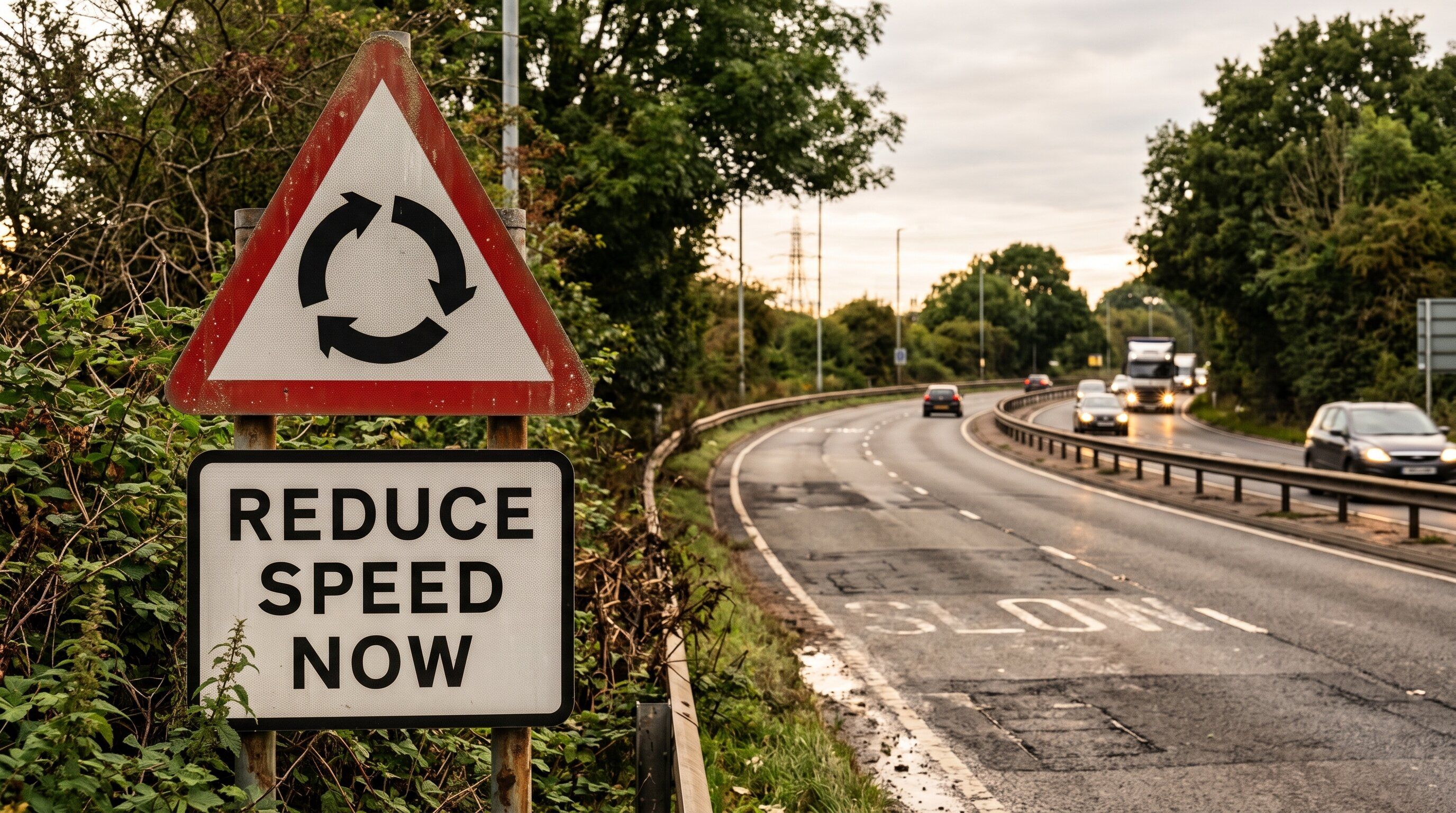

The key to avoiding harsh braking is anticipating what’s happening ahead and giving yourself enough time and space to react.
Harsh braking can happen to any driver, whether you’re navigating busy city streets or travelling on the motorway. While sudden braking is sometimes unavoidable, it can also be a sign that you haven't had enough time or space to react.
Harsh braking means slowing down suddenly and forcefully. It can happen for several reasons, from changing traffic conditions to leaving too little room between vehicles. You can find out more in our guide to what harsh braking is and why it happens.
The key to avoiding unnecessary harsh braking isn't simply to press the brake pedal more gently. It's to recognise situations that might require you to slow down, give yourself room to respond and learn from your driving habits.
In this guide we’ll explore practical ways to do just that.
Recent analysis of Marshmallow telematics data found that while drivers general scored well for Speeding and Phone use, more than half of drivers received a braking rating of 'Poor' or worse.
An occasional instance of harsh braking doesn't necessarily mean you're driving badly. Sometimes, an unexpected hazard means you need to stop quickly, and braking firmly is the right response. But if harsh braking becomes a regular occurrence, it could indicate that you're reacting too late to changes in traffic or leaving yourself too little room to stop.
There's good reason to pay attention to these habits. According to the Department for Transport's 2025 road safety statistics, sudden braking or braking in a way unsuitable for conditions was recorded as a factor in 16% of fatal or serious collisions where road safety factors were assigned.
These factors can overlap with other circumstances, so the figure doesn't mean harsh braking was the sole cause of those collisions. However, it highlights why braking behaviour is worth taking seriously.
For Marshmallow telematics policyholders, braking behaviour can also contribute to their driving score. Understanding where you could improve may help you build safer driving habits and, depending on your policy, could have implications for your insurance costs.
The best way to reduce unnecessary harsh braking is to focus on what happens before you touch the brake pedal. By anticipating changes in traffic, maintaining a safe distance and adjusting your speed to the conditions, you can give yourself more time to react.
Harsh braking usually happens when you have to quickly react to something on the road. But drivers often find their concentration slipping, especially on longer drives or more familiar routes.
Whether it’s changing songs, talking to a passenger, dealing with kids in the back or checking your map, a lapse in concentration of a few seconds can be enough to make you brake suddenly. On top of this, we should also mention phone usage. Please don’t be tempted to pick up your phone while driving.
It's easy to focus on the car directly in front of you. But if you're only reacting to what that driver does, you may already be behind what’s happening further ahead.
A useful habit is to look beyond the vehicle immediately ahead when it's safe to do so. If you notice brake lights further along a queue, traffic bunching up or vehicles slowing as they approach a junction, you can begin adjusting your speed before the change reaches you.
You can't control how other drivers behave, but you can give yourself more time to anticipate their actions and react to them.
Following too closely leaves little room for error. If the vehicle in front suddenly slows down, you have less time to respond and may have to brake sharply to avoid getting too close.
The Highway Code recommends leaving enough space to stop safely if the vehicle ahead slows or stops. On high-speed roads, it advises leaving at least a two-second gap, doubling that on wet roads and allowing a much greater distance on icy roads.
A simple way to check your following distance is to watch the vehicle ahead pass a fixed point, such as a road sign. You should reach that same point at least two seconds later in suitable conditions.
Harsh braking often happens when drivers leave deceleration too late. You might see a red light, a bend or a junction in plenty of time, but if you maintain your speed until you're close to it, you'll have less room to slow down smoothly.
The Highway Code explains that, in normal circumstances, the safest way to brake is early and lightly, applying firmer pressure as you begin to stop and easing off just before the vehicle comes to rest.
For example:
Speed limits are there to help keep road users safe, but they're not a target to aim for in every situation.
Travelling too quickly for the conditions leaves you with less time to react and a greater distance to cover before you can stop. If a hazard appears, you may have to brake harder than you would have done at a more appropriate speed.
Driving within the speed limit doesn't automatically mean you're travelling at a safe speed. The speed limit is the absolute maximum, not a figure you must meet.
Rather than focusing solely on the speedometer, consider whether your current speed gives you enough time to respond to what's happening ahead. If traffic is building up, visibility is poor or you're approaching a hazard, ease off the accelerator and adjust your speed accordingly.
Wet roads, poor visibility, darkness and changes in road layout can all affect how much time and space you need to stop safely.
Giving yourself more time and space to react when conditions deteriorate is the safest way to avoid unnecessary harsh braking. Leave more room between you and the vehicle ahead, reduce your speed when visibility is limited, and be prepared for hazards to appear later than expected.
It's not always easy to judge your own driving. You might feel that you brake smoothly, but occasional sharp stops can be difficult to remember, especially across lots of different journeys.
Marshmallow Move uses telematics to assess driving behaviour, including braking. Reviewing your driving feedback can help you understand your habits and identify where you might make improvements. For example:
Your telematics data won't necessarily explain every event or tell you exactly what happened on the road. But it can help you spot patterns that might otherwise go unnoticed.
Avoiding harsh braking isn't about never using the brakes firmly. Sometimes, an unexpected hazard means you need to stop immediately, and safety should always come first.
The aim is to reduce the situations where sudden braking could have been avoided.
Research published in 2026 found that driving feedback delivered through a smartphone app helped reduce harsh braking events, suggesting that understanding your driving habits can be part of making gradual improvements.
By looking further ahead, leaving enough space and learning from your driving habits, you can give yourself more time to react and make smoother braking a more consistent part of your everyday driving.
If you’re looking for car insurance that provides feedback to help you drive safely, Marshmallow Move can help.
You’ll get data directly in the app on your braking, speeding and phone use. Plus you’ll get a lower price up front, with a fixed price all year.
Find out more about Marshmallow Move telematics or get a quote today.
Learn what black box or telematics insurance is, how it works, whether it can lower your costs, and if it’s worth it for drivers in the UK.
Find out if black box car insurance is worth it, how much it can reduce costs, and when insurance without a black box might be better.
Learn the main black box car insurance rules in the UK, what could happen if you break them and how it works with Marshmallow's telematics plan.