 Car insurance
 Telematics
 Van insurance
 Home insurance

 Car finance




car insurance guides
What is black box or telematics insurance?
Learn what black box or telematics insurance is, how it works, whether it can lower your costs, and if it’s worth it for drivers in the UK.
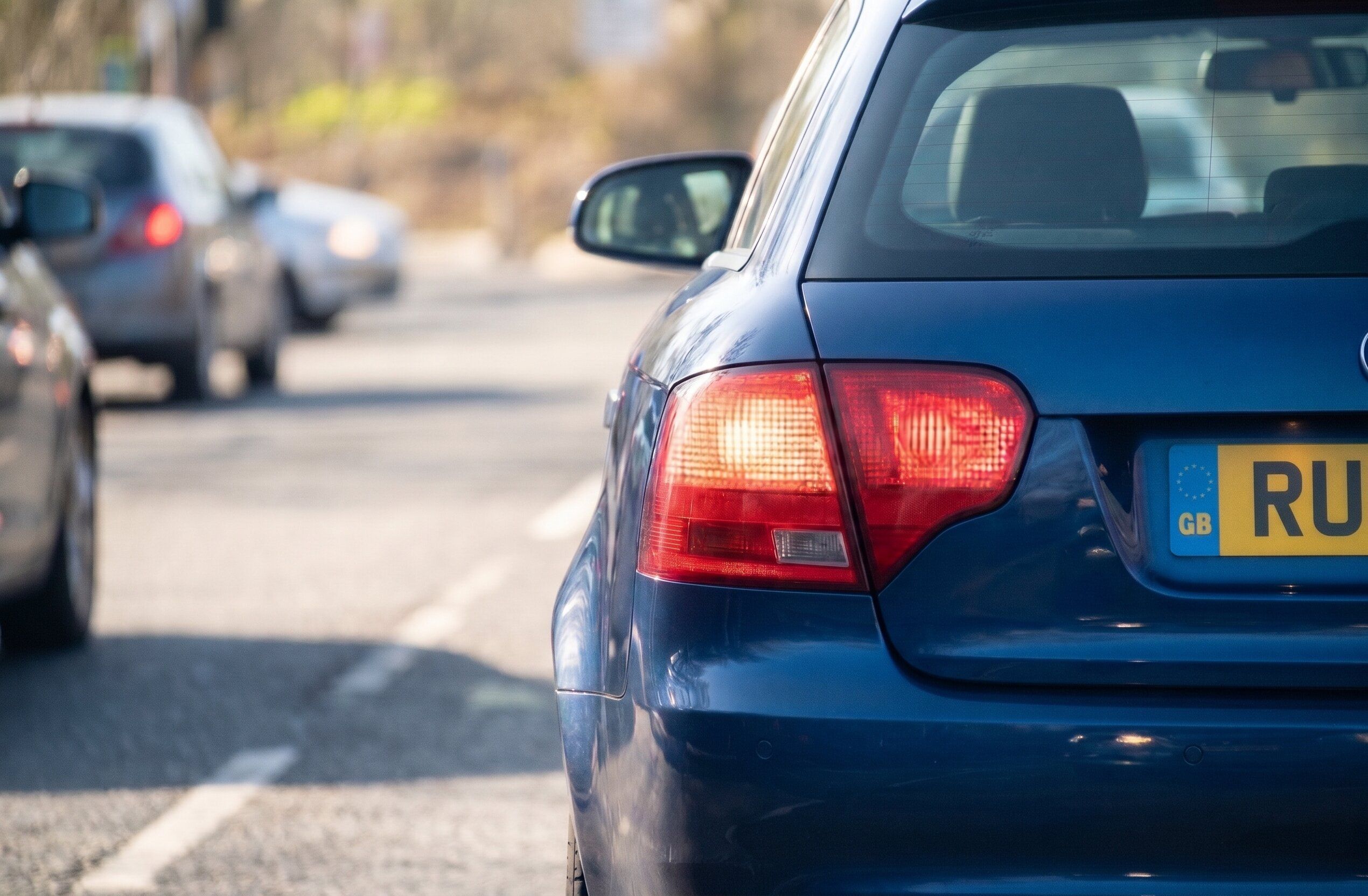

Braking is a key aspect of driving, and one often neglected when people think about safe driving. In fact, it’s one of the top 10 causes of traffic accidents. And knowing what classes as harsh braking could help improve your telematics score.
Harsh braking, also known as hard braking or sudden braking, occurs when a vehicle slows down sharply over a short period. This typically involves applying the brakes more forcefully than would be needed for a routine, controlled stop.
It can be a necessary response to an unexpected hazard, but it can also indicate driving habits that increase the risk of collision.
Braking suddenly isn’t an automatic indicator of poor driving. For example, braking sharply would be an appropriate response to a car pulling out in front of you.
It's important to distinguish between an isolated incident and frequent harsh braking, which could suggest a habit of leaving too little time or space to react to changing road conditions.
Harsh braking describes how a vehicle slows down, while emergency braking describes the circumstances that make an immediate stop necessary.
Harsh braking is a sudden reduction in speed. It is usually avoidable, such as when a driver approaches stationary traffic too quickly.
Emergency braking is when a driver needs to brake immediately to respond to an imminent danger.
Sometimes, sudden braking is necessary. However, frequent harsh braking in non-emergency situations can indicate driving habits that increase the risk of collision.
Harsh braking can result from the road conditions, other road users, driving habits or a combination of all three.
There is no universal threshold for harsh braking across all vehicles and telematics systems. The precise definition depends on how a system measures changes in speed and identifies sudden deceleration.
Marshmallow Move, for example, records a hard braking event when you reduce your speed suddenly, such as slamming on the brakes in a lower-speed zone or drastically reducing speed on the motorway.
The Highway Code provides a useful guide on distances that it takes to brake at certain speeds.
This shows that if you are driving closer to the car in front than these distances at these speeds, then you might be forced to brake suddenly.
Harsh braking can create risks for you, your passengers and other road users. It can also put additional strain on your vehicle.
Recent analysis of Marshmallow Move telematics data found that more than half (51.5%) of the drivers analysed received a braking rating of 'Poor' or worse.
Harsh braking can happen for many reasons, and not every sudden stop is avoidable. However, anticipating changes in traffic and allowing more time and space to react can help reduce unnecessary harsh braking.
For practical advice on following distances, speed, hazard awareness and other ways to reduce sudden stops, read our guide to avoiding harsh braking.
If you’re looking for car insurance that provides feedback to help you drive safely, Marshmallow Move can help.
You’ll get data directly in the app on your braking, speeding and phone use. Plus you’ll get a lower price up front, with a fixed price all year.
Find out more about Marshmallow Move telematics or get a quote today.
Harsh braking as on of the top 10 causes of traffic accidents as reported by Gov.uk.
Learn what black box or telematics insurance is, how it works, whether it can lower your costs, and if it’s worth it for drivers in the UK.
Find out if black box car insurance is worth it, how much it can reduce costs, and when insurance without a black box might be better.
Learn the main black box car insurance rules in the UK, what could happen if you break them and how it works with Marshmallow's telematics plan.