 Car insurance
 Telematics
 Van insurance
 Home insurance
 Car finance
home insurance guides
When do you need home insurance in the UK?
Find out when you need home insurance in the UK, whether it’s required by law, and what renters and homeowners need to know.





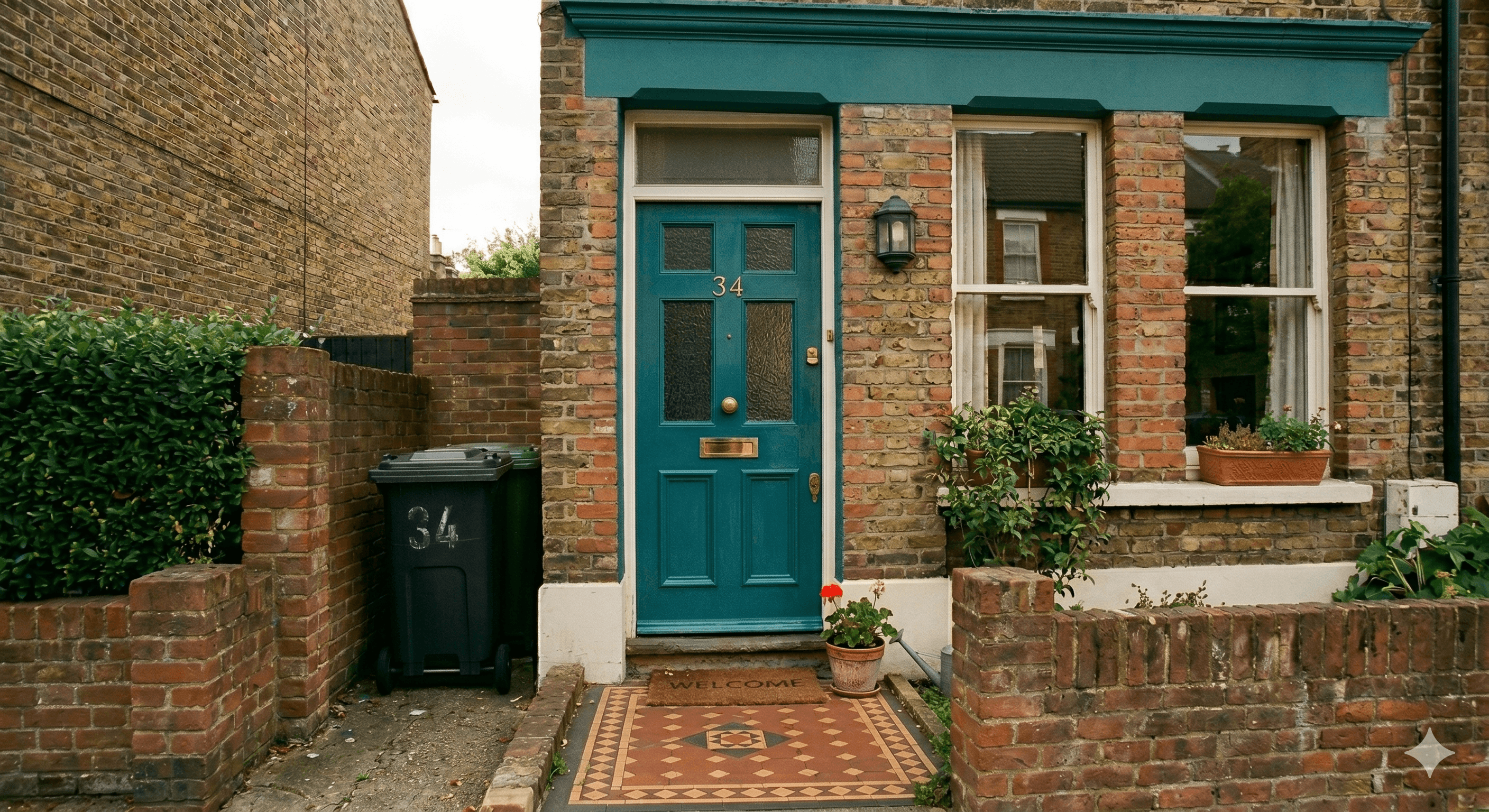

Buying a house in the UK comes with a lot of paperwork, and insurance is a big part of it.
Buildings insurance is usually required by your mortgage lender before you can complete your purchase. But there are a few other types of insurance worth thinking about too, including contents insurance and life insurance.
This guide explains which types of insurance you may need when buying a house, when to arrange them, and which ones are optional.
When buying a house in the UK, there are three types of insurance to consider:
When you take out a mortgage, your lender is giving you a large sum of money to buy a property. To protect that investment, many mortgage lenders will require you to have buildings insurance in place from the date you exchange contracts.
Buildings insurance covers the physical structure of your home. This means the walls, roof, floors, windows, and fitted fixtures. It can protect against damage from events like fire, flooding, storms or subsidence.
"Home insurance” is a term that often gets used to mean different things, so it's worth understanding the distinction.
Buildings insurance covers the structure of your property. Contents insurance covers the things inside it such as your furniture, clothes, electronics, and personal belongings.
When people say "home insurance", they can mean buildings insurance, contents insurance or a combined policy that includes both.
Your mortgage lender will typically require buildings insurance as a condition of your mortgage. Contents insurance is separate and optional but is often bought at the same time.
Read our guides on what contents insurance covers and why you might need both buildings and contents insurance.
Life insurance isn't legally required when you take out a mortgage. But it's worth considering if you have a family who depend on you financially.
The idea is simple. If you were to die before paying off your mortgage, life insurance can help your family pay off the debt or continue making payments. This could help them stay in the home.
There are two main types of life insurance:
If you're new to the UK, life insurance might not be something you've needed to think about before. It's worth speaking to an independent financial adviser to find the right option for your situation.
Beyond home insurance and life insurance, there are a few other options worth thinking about when you buy a home.
Critical illness cover
Critical illness cover pays out a lump sum if you're diagnosed with a serious illness, like cancer or a heart attack. It can help cover your mortgage payments if you can't work. It's not required, but it might be worth considering if you're the main earner in your household.
Income protection
If you're unable to work due to illness or injury, income protection insurance pays a portion of your salary until you can return to work, or until the policy ends. It can be a useful safety net when you have a mortgage to pay.
Home buyers protection insurance
Home buyers protection insurance, sometimes called conveyancing insurance or buyers protection insurance, covers costs you've already paid if your purchase falls through before completion. This can include things like surveys and legal fees.
In the UK, property sales can sometimes fall through after you have already paid these costs. Buyers protection insurance is not required, but it can offer peace of mind during a long purchase process.
Timing is important, and it can catch a lot of buyers off guard. This is especially true if you're not familiar with how the UK property buying process works.
In England and Wales, buying a house usually happens in two stages:
You should have buildings insurance in place from the moment you exchange contracts, not just from completion.
The buyer is responsible for insurance between exchange and completion.
From exchange, the property is technically at the buyer's risk. This means that if something was to happen to the building in that period, such as a fire, you could still be legally required to complete the purchase.
Without insurance, you would have no cover for the damage. Make sure your buildings insurance starts on your exchange date, not your completion date.
The cost of home insurance varies depending on a number of factors, including:
The rebuild cost is how much it would cost to completely rebuild the structure of your home from scratch if it were destroyed. It's not the same as what you paid for the property.
Our guide to how much home insurance costs gives a useful overview of what to expect.
Here are a few other things to keep in mind when sorting your insurance:
At Marshmallow, we offer home insurance designed to be straightforward and easy to understand. That matters when you're navigating a new system, especially if you’re new to the UK.
Whether you need buildings insurance, contents insurance or both, you can get a quote online in minutes.
Find out when you need home insurance in the UK, whether it’s required by law, and what renters and homeowners need to know.
Learn the difference between buildings and contents insurance, what each covers, and how to choose the right cover for your home in the UK.
Learn how to calculate your rebuild cost for home insurance and estimate the value of your contents.